About this site
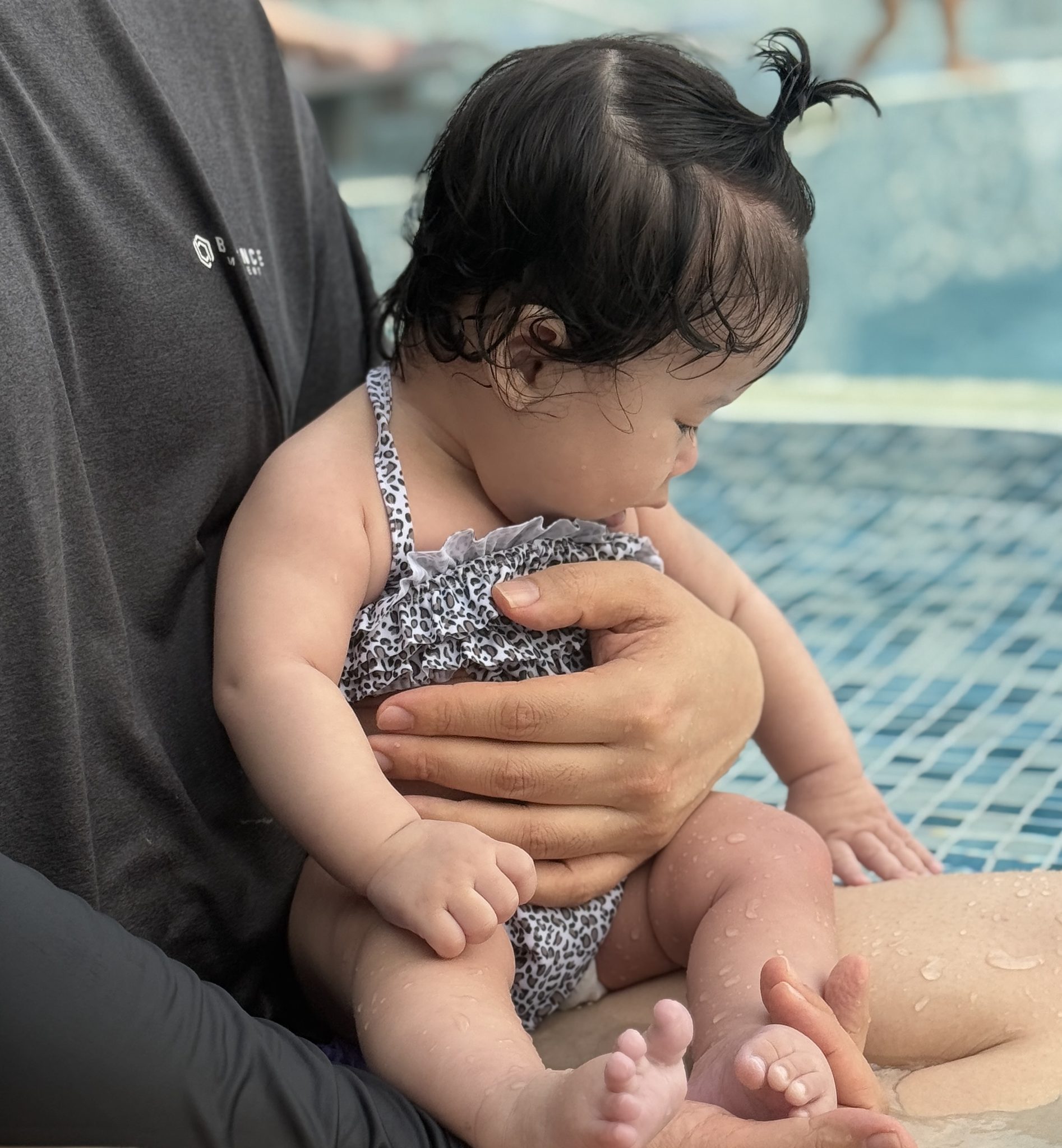
This family site grew from two things we kept doing at home: explaining the small parts of Korean life to friends, and trying not to forget how quickly our daughter was growing. One half is a set of practical guides for people visiting Korea or settling in. The other is a diary for INa, known at home as Jelly GGumi. We keep the focus on family stories rather than a child's identifying details.
Who writes it
I am INa's parent, writing from Korea between the ordinary parts of family life. A post may begin with wet weather, a bank transfer that stops at its limit, a baby class or a celebration we suddenly realised needed planning. The practical details are then checked against the public body, operator or institution responsible for them rather than copied from another travel summary.
That is also the limit of what this site claims. It is a personal account, not an official source. It does not give legal, medical, visa or financial advice. Where a detail is likely to change — a fee ceiling, a transfer limit, a holiday date — the guides explain how the rule works, name the body that sets it and say when it was checked, so a reader can tell when a number may have moved on.
What you will find
- Daily life — the practical machinery of living here: why a new bank account starts with tiny transfer limits, what happens to health insurance when you leave for a while, broker-fee ceilings, retirement and pension ages, secondhand-trading rules and weather warnings.
- Cultural tips — customs and the rules written around them: the Chuseok holiday clause, why national treasures lost their numbers, and baduk, the board game Korea wrote into law.
- Food and dining — food through its seasons and the rules behind them, such as the closed season that splits Korea's blue-crab year in two, plus one dated family evening beside someone else's fire.
- Travel and transport — planning around official seasonal calendars, such as the two different ways Korea measures peak autumn foliage.
- Personal family records — dated milestones and family decisions, kept separate from general cultural guides.
How it is written
Each guide takes one subject and tries to answer it properly rather than broadly: what the thing is, how it works, why it works that way, and what a newcomer gets wrong about it. Korean terms are given in Hangul with a romanisation, because the romanisation alone is often useless for actually reading a sign.
AI may assist research, structure and an early English draft. It is never treated as a source and it does not invent a family event or photograph. Every article carries its source list and an editorial disclosure; the complete workflow is in the editorial policy.
New posts appear when the research is solid or a family story feels worth keeping. Corrections are genuinely welcome — if something here is wrong or has gone out of date, please tell me. I will check it, fix it and date the change.
Where else this is published
Most of the day-to-day writing happens in Korean on Naver Blog, Korea's largest blogging platform. That archive is indexed on the Naver page. Photographs from the family diary are collected in the albums, and there is a small browser game built alongside all of this.
A short film
This is the video we made when INa arrived.
Advertising and cookies on this site are described in the privacy policy.