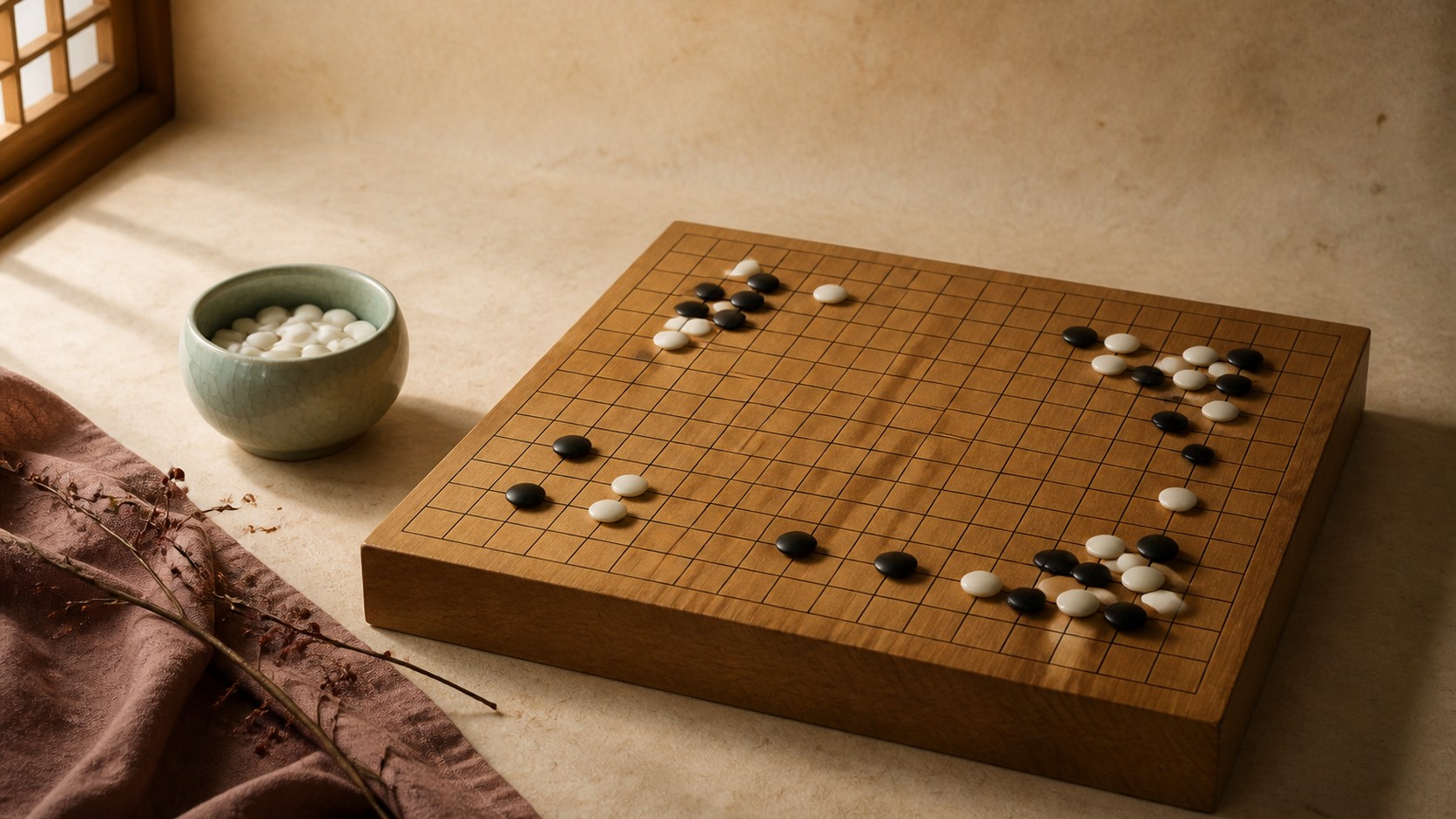
On 30 August 2026, Mok Jinseok came through the integrated preliminary of the 삼성화재배 월드바둑마스터스 (Samsung Cup World Baduk Masters) as the only Korean player to do so. Behind that one result sits an institution most visitors never notice. Korea publishes a dedicated Go Promotion Act and designates 5 November as Baduk Day. The Korea Baduk Association publishes daily professional results and maintains league sections, Baduk TV and the monthly magazine 월간바둑. The language section below checks every board-word claim against the Standard Korean Dictionary rather than treating familiar metaphors as automatic baduk history.
This guide walks through that institution layer by layer — the statute, the professionals, the language — using the primary sources themselves: the law as published by the National Law Information Center, the Standard Korean Dictionary, and the live pages of the Korea Baduk Association.
A Board Game With Its Own Statute
Start with the fact that sounds invented but is not. Korea's current Go Promotion Act (바둑 진흥법) is published as Act No. 18010, the amended text in force since 14 July 2021, and is administered by the Ministry of Culture, Sports and Tourism. Article 1 says the law aims to promote baduk and build the foundations of baduk culture for leisure, healthy mental cultivation and the globalization of the game.
The statute is short, but almost every article says something revealing about how seriously the state takes the game. Article 7 of the Act designates 5 November of every year as Baduk Day. Article 5 obliges the culture minister to establish a national baduk promotion basic plan every five years. Article 2 defines a baduk instructor (바둑지도자) as a holder of the baduk-discipline sport-instructor qualification under Article 11 of the National Sports Promotion Act — this definition ties baduk instruction to the sport-instructor system. Article 2 defines a professional player (바둑전문기사) as someone who passed a skill-verification competition prescribed by presidential decree. Even the future is legislated: Article 12 tells the culture minister to reflect convergence with traditional play, artificial intelligence and science and technology in related policy.
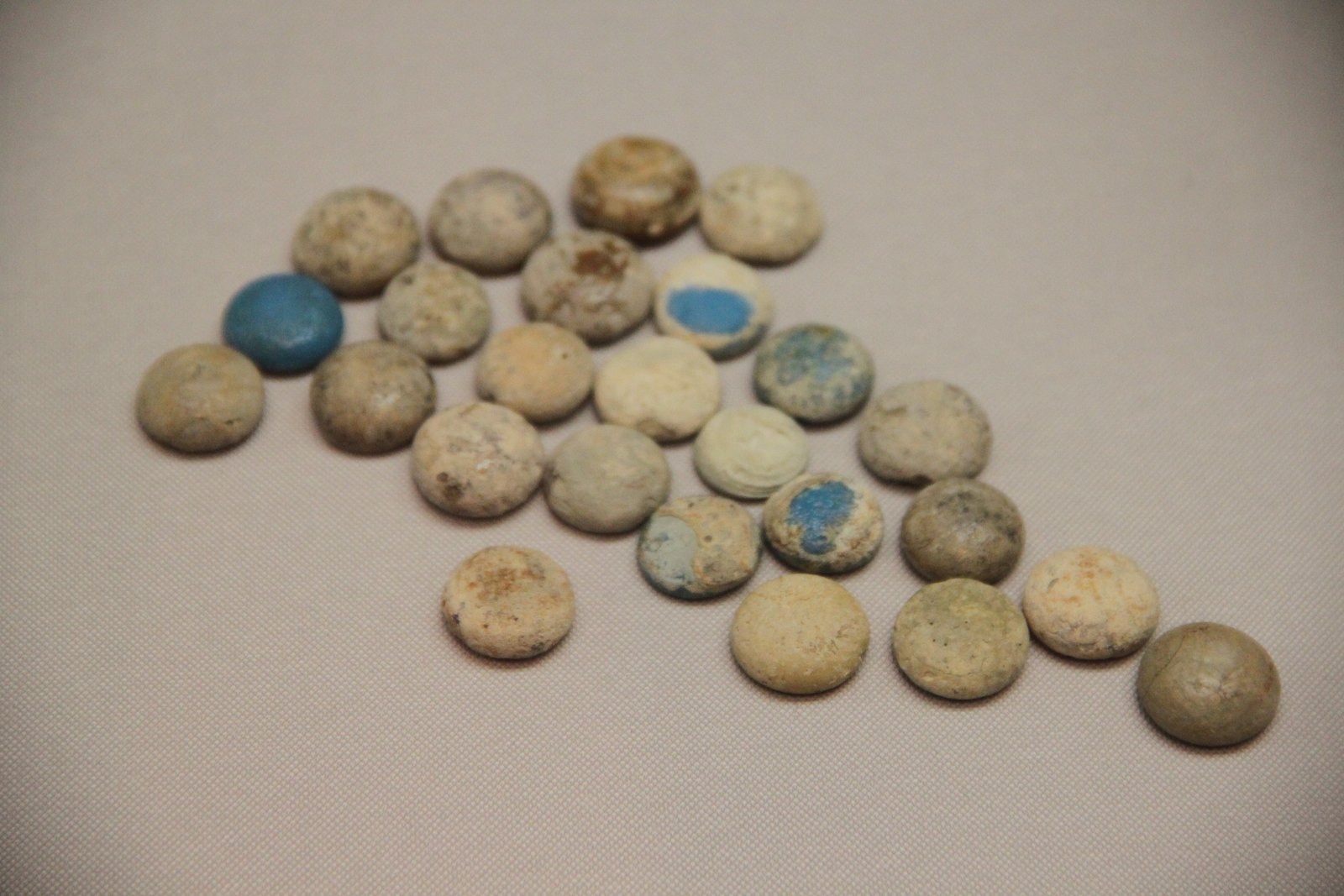
The credited Commons record places baduk stone pieces in the Sinan Shipwreck Gallery of the National Museum of Korea. The photograph documents the museum display; by itself, it does not date baduk's arrival in Korea or identify the ship's route.
The Professional Machine
The working centre of Korean baduk is 한국기원 (Hanguk Kiwon, the Korea Baduk Association). Its front page reads less like a heritage site and more like a sports channel. The listed structure includes a Korean Baduk League, a women's league, a legends league and a challenge league, with team standings, MVP awards and championship finals.
The Samsung Cup preliminary is part of the same machinery. The association reports Mok Jinseok's qualification in the same results-and-leagues system it uses for professional competition.
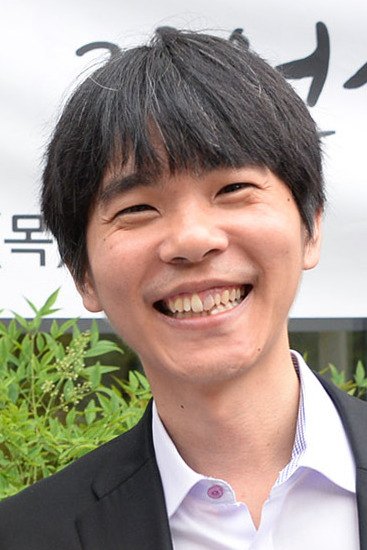
AlphaGo beat Lee Sedol 4-1 in Seoul in March 2016 in a match DeepMind says was watched by over 200 million people, with Lee described as a winner of 18 world titles. DeepMind presents the audience figure as its own project-page claim rather than as an independently audited measurement. DeepMind says Lee's Move 78 in game four had a one-in-10,000 probability and helped him win; the project page adds that players have examined Move 78 and AlphaGo's earlier Move 37 ever since.
The Vocabulary That Escaped the Board
Here is a layer that is easy to miss in translation. The dictionary records board and non-board senses term by term. In the Standard Korean Dictionary, 정석(定石) carries both the everyday sense of the fixed way of doing something and, as its second sense, the baduk sense of the established best sequence of stones. That shared headword links the ordinary and baduk senses, although the entry does not say that every speaker consciously invokes the game.
In the Standard Korean Dictionary, the first listed sense of 초읽기 is the baduk countdown in which a recorder calls out the final seconds of a player's clock. The same entry's second sense defines it figuratively as a situation becoming urgent for time. That official second sense, not a list of invented examples, is the evidence that the word travelled beyond the board.
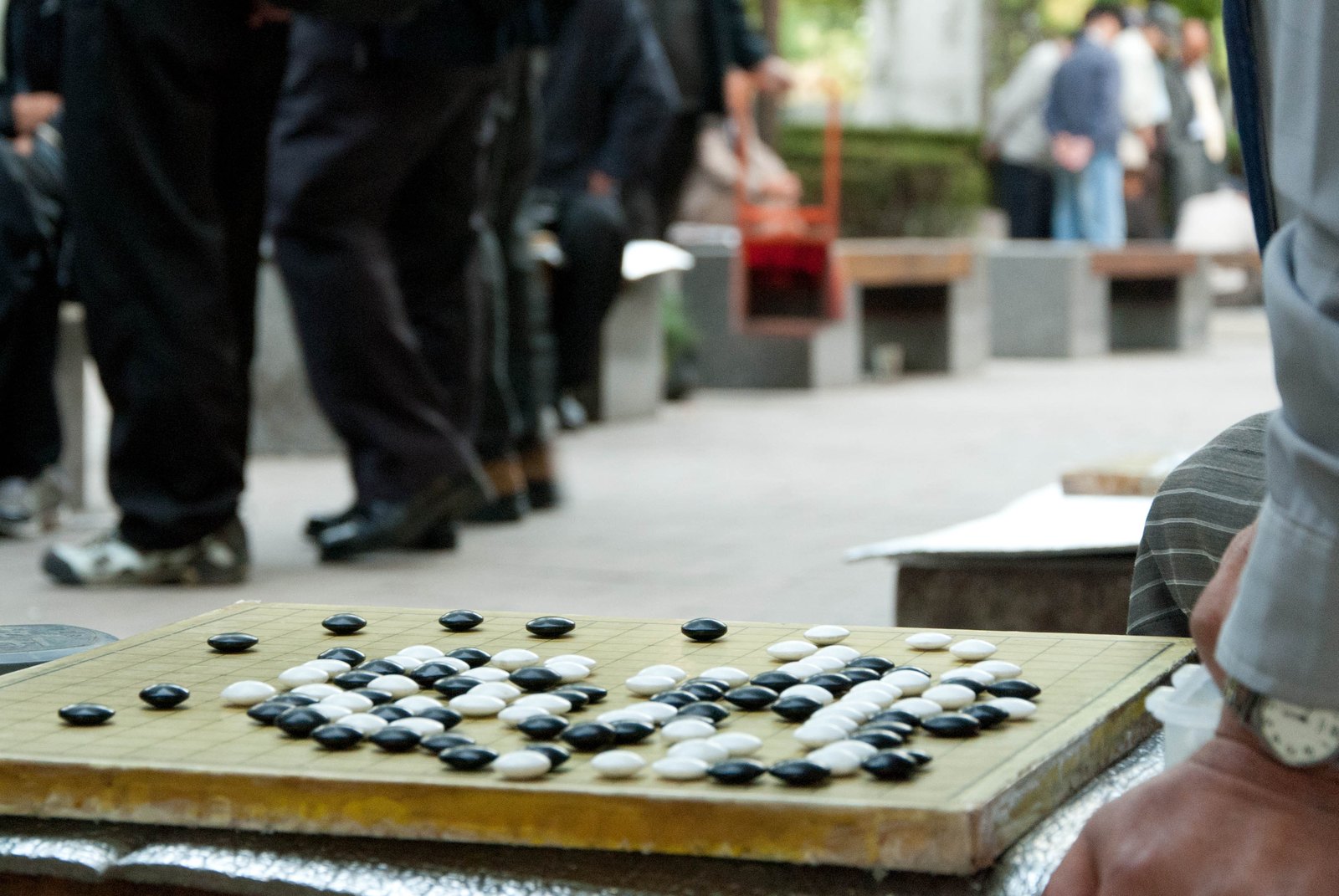
Once the pattern is visible, it keeps appearing, and the dictionary keeps receipts. The Standard Korean Dictionary defines 승부수(勝負手) as a decisive move that determines the outcome in baduk or similar board games. The Standard Korean Dictionary lists the first sense of 무리수(無理手) as a baduk move played out of overreach. The Standard Korean Dictionary defines 자충수(自充手) first as the baduk move that fills in one's own liberties. Those board definitions are the starting point for reading later metaphors; the immediate context, not the syllable 수 alone, determines whether a speaker is invoking the game.
One honest wrinkle, because the boundary is fuzzier than it looks. The Standard Korean Dictionary's entry for 꼼수 records only the general sense of a petty trick, with no baduk label. So not every syllable of 수 in Korean cunning traces back to the board — some of the vocabulary only sounds like it walked out of a game.
Meeting the Game Without Playing It
Baduk is an accessible layer of Korean culture even before a reader learns the rules. The Korea Baduk Association publishes daily result pages and Baduk TV programming listings; the museum and cultural-centre photographs below document physical boards and stones in their credited source records.
- On screen. The association's site lists each day's professional results and fixtures alongside its Baduk TV programming. Even without Korean, the board and the clock speak for themselves.
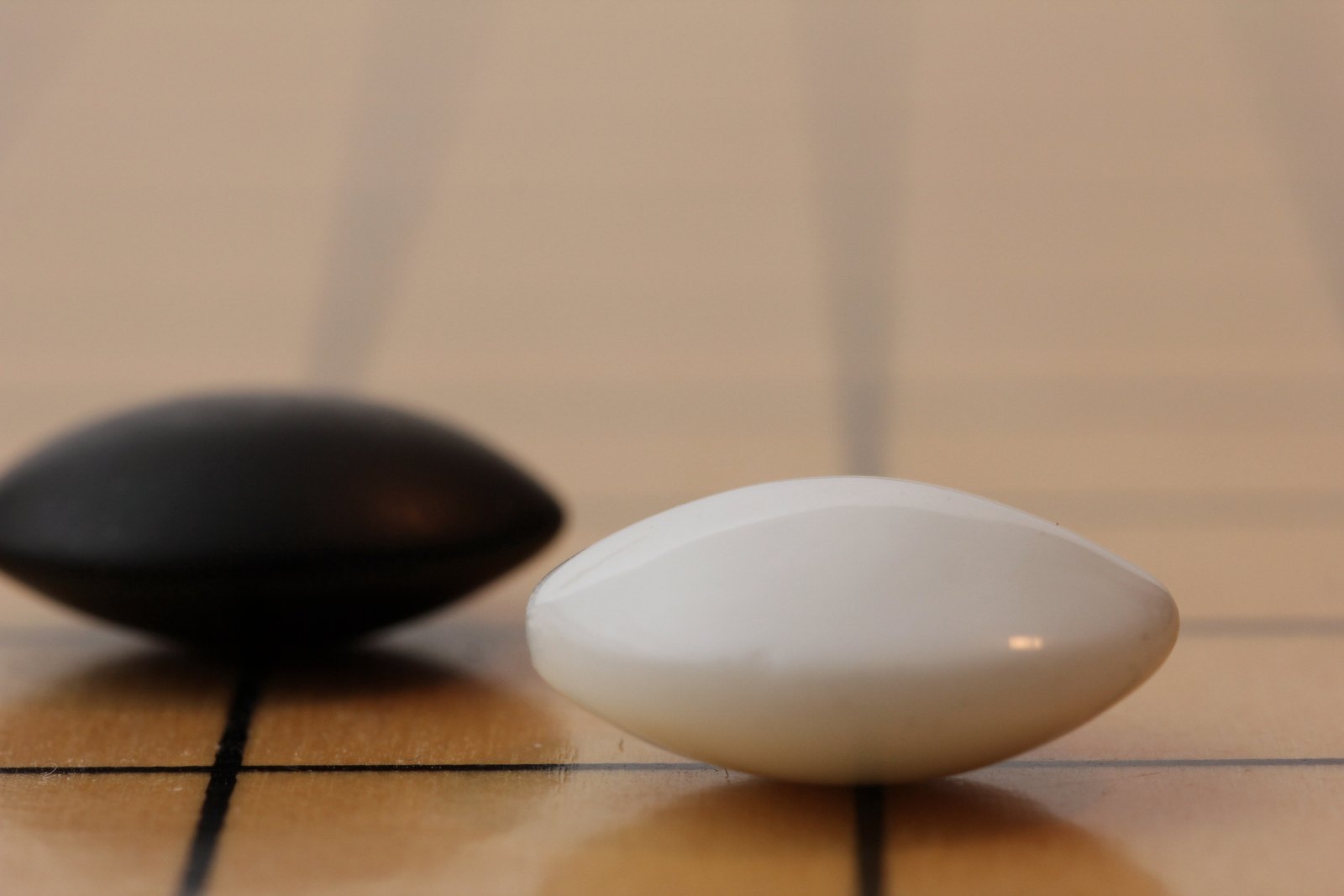
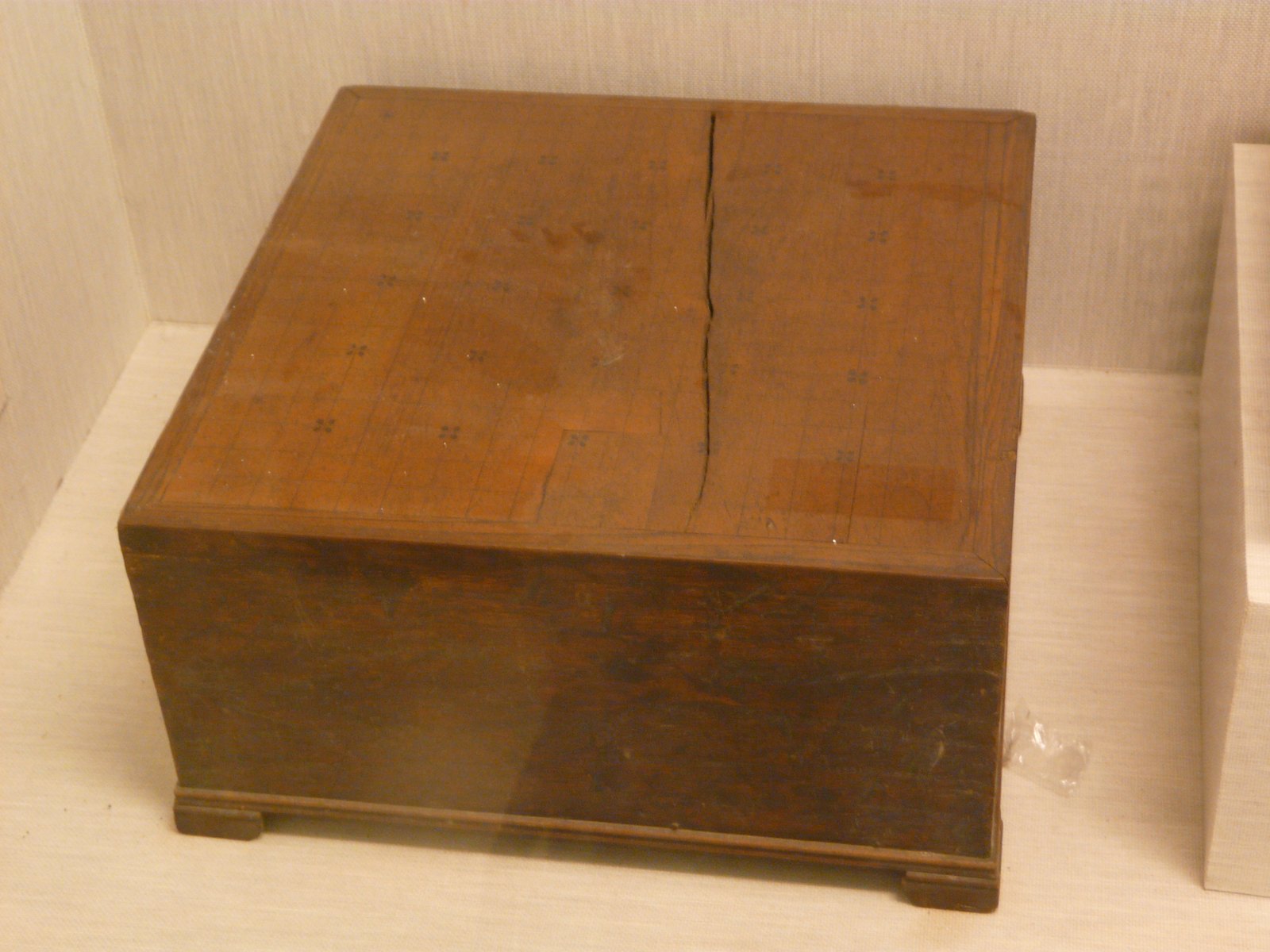
- In museums and cultural venues. The credited Commons record places stone pieces in the National Museum of Korea's Sinan Shipwreck Gallery. A Wikimedia Commons record describes a Korean baduk board and carries the object name “Ansan Cultural Center 62.”
- In the language. Collecting board words in the wild — 정석, 초읽기, 승부수 — is a genuinely fun listening exercise, and it doubles as a conversation starter.
A few honest boundaries. Tournament results and league line-ups change constantly — the Samsung Cup detail above is a snapshot of late August 2026, not a permanent fact. This guide also stays deliberately out of teaching the rules; that is a different article, and plenty of good beginner resources exist in English. What stays stable is the institutional frame: the statute, the November date, the five-year plans, the dictionary entries. Those move at the speed of law and lexicography, which is to say, slowly.
If this angle on Korea — the way custom, play and family life braid together — is interesting, the natural next read is why Korea's national treasures lost their numbers, where the same living-tradition thread runs through law and heritage.
Editorial method: AI helped research and draft this guide; it is not a source for anything in it. The statute details come from the Go Promotion Act as published by the National Law Information Center, each word sense from its own Standard Korean Dictionary entry, the league and tournament details from the Korea Baduk Association, and the AlphaGo figures from DeepMind's project page, which is why they are attributed to DeepMind rather than stated as fact. The five photographs are Wikimedia Commons files credited in their captions; the cover is an AI-generated still life, not a photograph.
Sources checked
Last reviewed August 31, 2026.
- 바둑 진흥법 (Go Promotion Act, current amended text published as Act No. 18010) — 법제처 국가법령정보센터 (National Law Information Center)
- 표준국어대사전: 정석 (standard dictionary entry) — 국립국어원 (National Institute of Korean Language)
- 표준국어대사전: 초읽기 (standard dictionary entry) — 국립국어원 (National Institute of Korean Language)
- 표준국어대사전: 승부수 — 국립국어원 (National Institute of Korean Language)
- 표준국어대사전: 무리수 — 국립국어원 (National Institute of Korean Language)
- 표준국어대사전: 자충수 — 국립국어원 (National Institute of Korean Language)
- 표준국어대사전: 꼼수 — 국립국어원 (National Institute of Korean Language)
- 한국기원 (Korea Baduk Association) — results, leagues, Baduk TV — 한국기원
- AlphaGo project page — Google DeepMind
Schedules, prices and operating rules can change. Where a detail is time-sensitive, the linked operator remains the final authority.