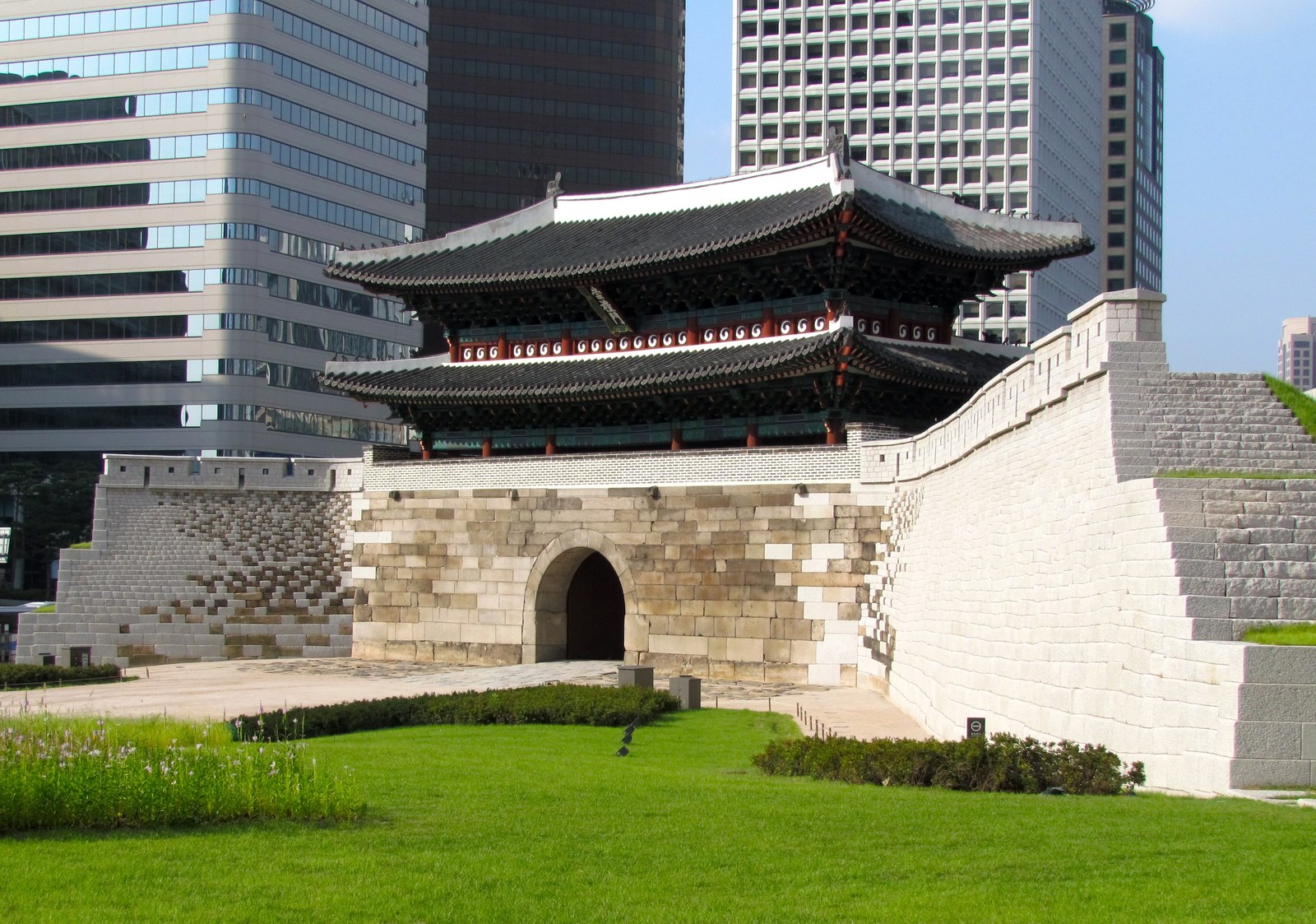
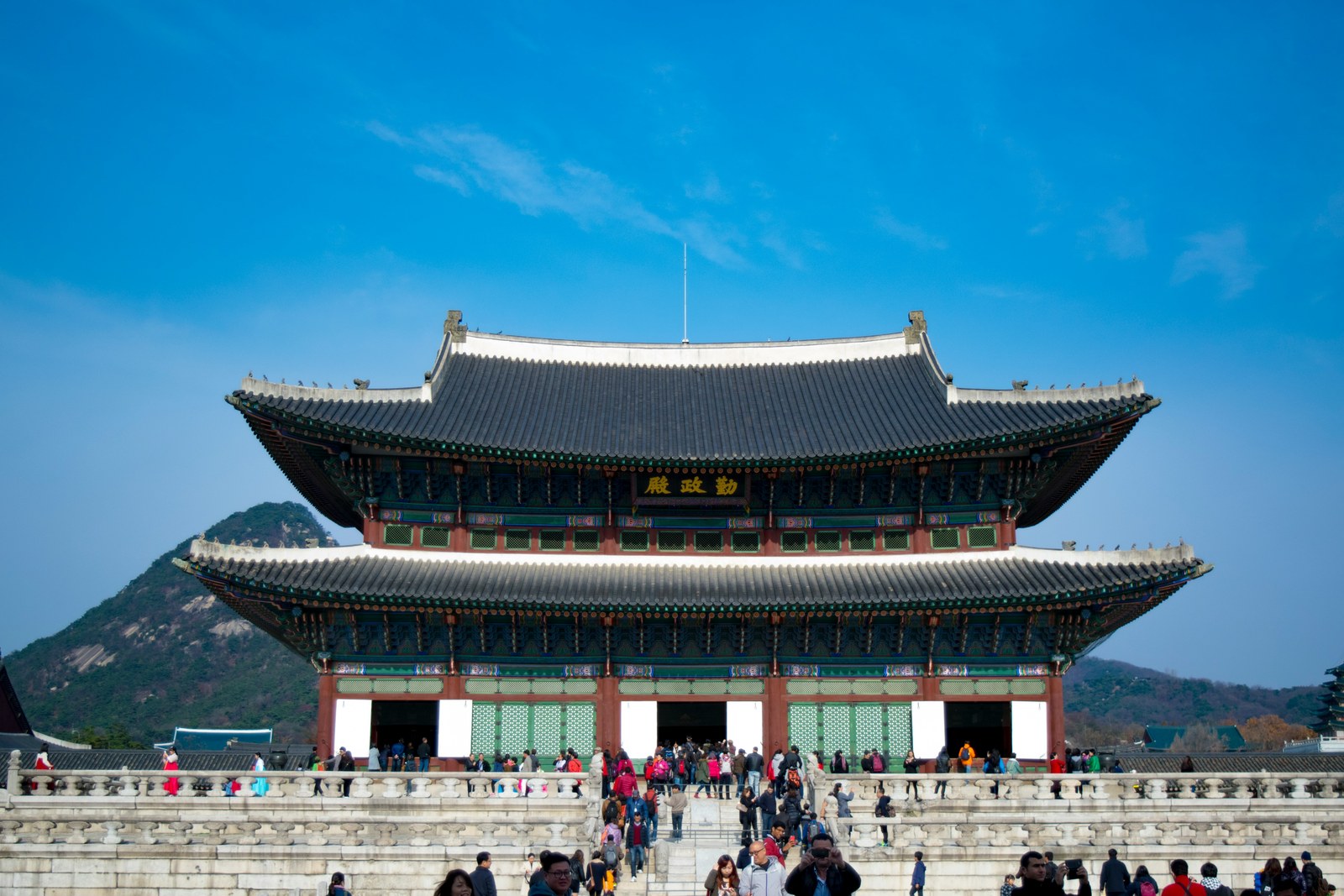
Stand in front of Sungnyemun on a clear morning and the plaque reads simply 국보, National Treasure. An older guidebook in the bag calls the same gate National Treasure No. 1. Neither is a typo. The sign changed, the books mostly did not, and the gap between them is a small story about how Korea decided to talk about its own heritage.
The labels are worth five minutes, because they appear everywhere: on palace gates, beside temple statues, under museum glass. Once the system is clear, every plaque in the country becomes readable.
Two Tiers, One Committee
Korean state designation has two headline tiers for tangible works. 보물 (bomul) is usually translated as Treasure, and 국보 (gukbo) as National Treasure. The relationship between them is the part most summaries skip. Under the Cultural Heritage Act, the Korea Heritage Service designates important tangible heritage as Treasures, and a National Treasure is chosen from among the Treasures when its value is judged great and rare from the perspective of human culture. In other words, National Treasures are not a separate pool; they are promoted from the Treasure tier after deliberation by the National Heritage Committee.
A designation is a legal act, not a museum caption. It brings conservation duties, funding and penalties with it, which is why each one passes through a statutory committee rather than a curator's desk.
The Numbers Were an Address, Not a Ranking
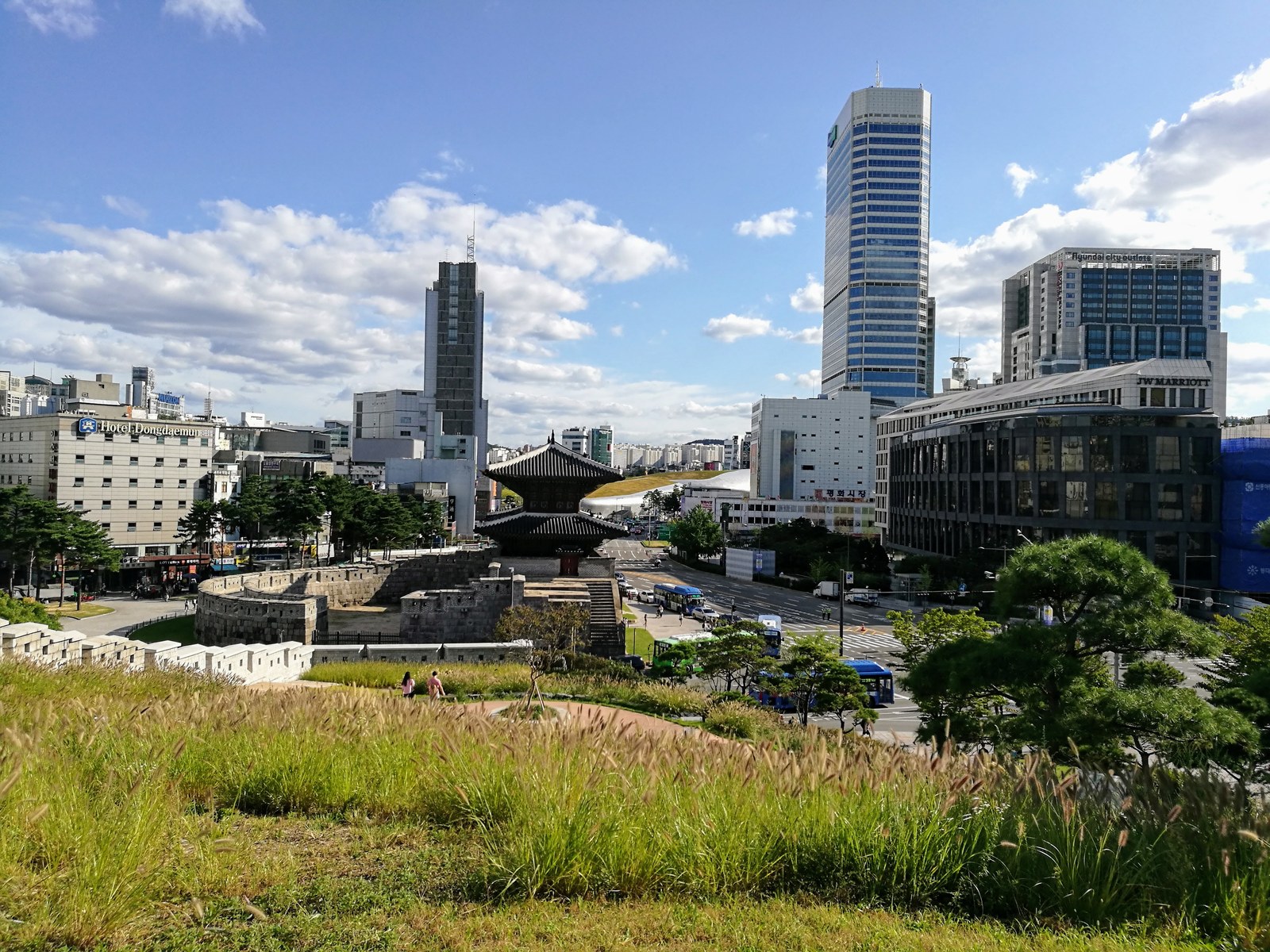
For decades every designated work also carried a number, and the numbers became famous in their own right. Sungnyemun was 국보 1호, National Treasure No. 1. Heunginjimun, the east gate, was Treasure No. 1. Sungnyemun received the first number under the Cultural Heritage Protection Act enforced in 1962, and proposals in 1996 and 2005 to hand that first number to the Hunminjeongeum both failed.
The trouble was what the number seemed to say. The agency explained that the number was assigned in order of designation, and that some people misread that order as a ranking of value. A low number looked like a gold medal. It never was one; it mostly recorded how early a work happened to be listed.
So the agency removed the numbers altogether. Since 19 November 2021, official notation no longer includes the designation number. The change took effect through amendments to the enforcement decree and rules of the Cultural Heritage Protection Act, and official usage became simply 국보 서울 숭례문, National Treasure Seoul Sungnyemun.
Same Name, Different Year
Dropping the numbers created a practical puzzle: Korea has many designated works that share a name, especially Buddhist statues and sutra volumes. The solution is quieter than a number. When two designated works share a name, the official style now tells them apart by designation year, adding the order of designation only when the year is also shared. The style guide's own example is a pair of gilt-bronze standing bodhisattvas designated in the same year, written as (1976-1) and (1976-2).
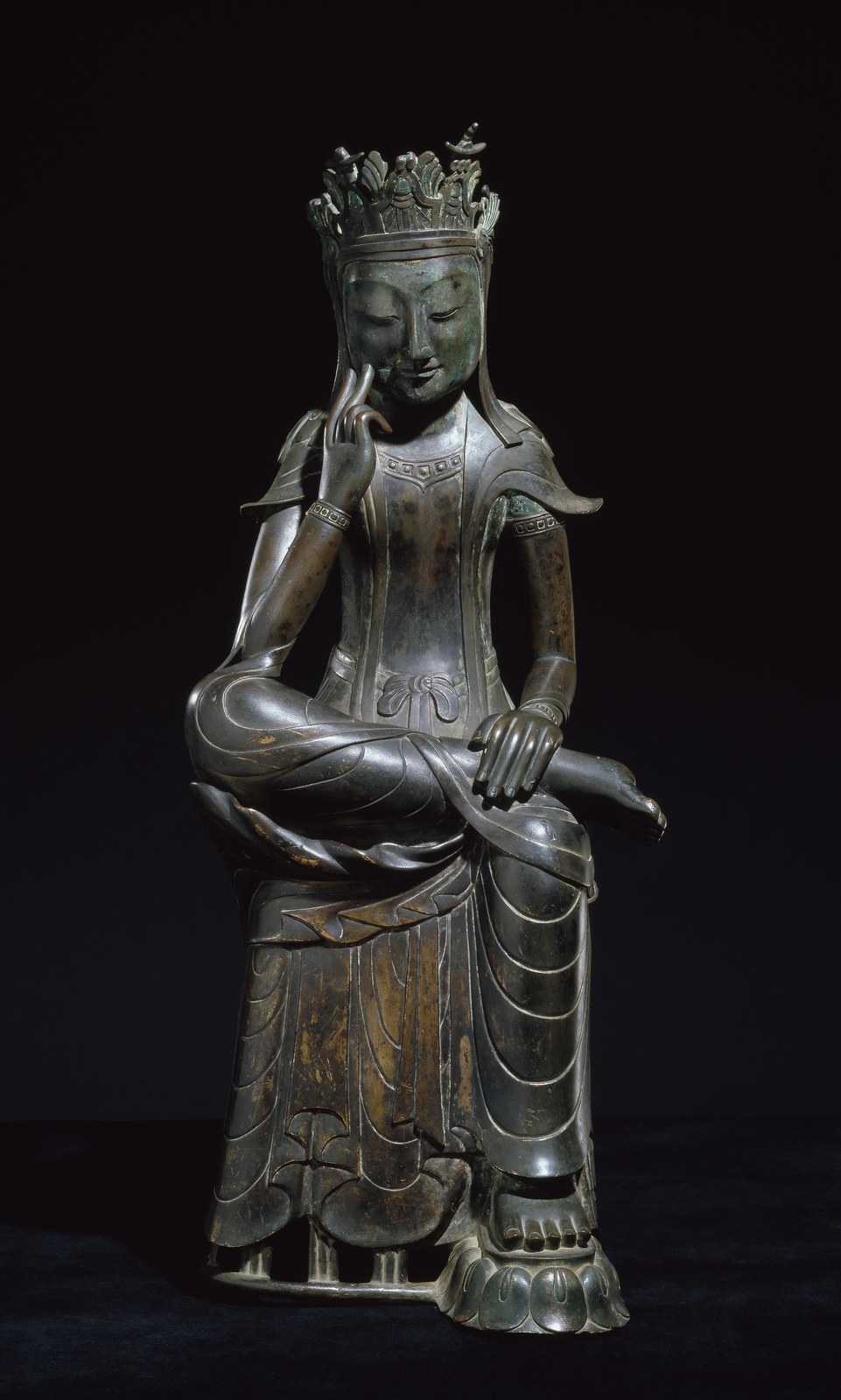
The best-known casualty of the old habit is the pensive bodhisattva pair at the National Museum of Korea, long cited as No. 78 and No. 83 — labels that official notation no longer uses.
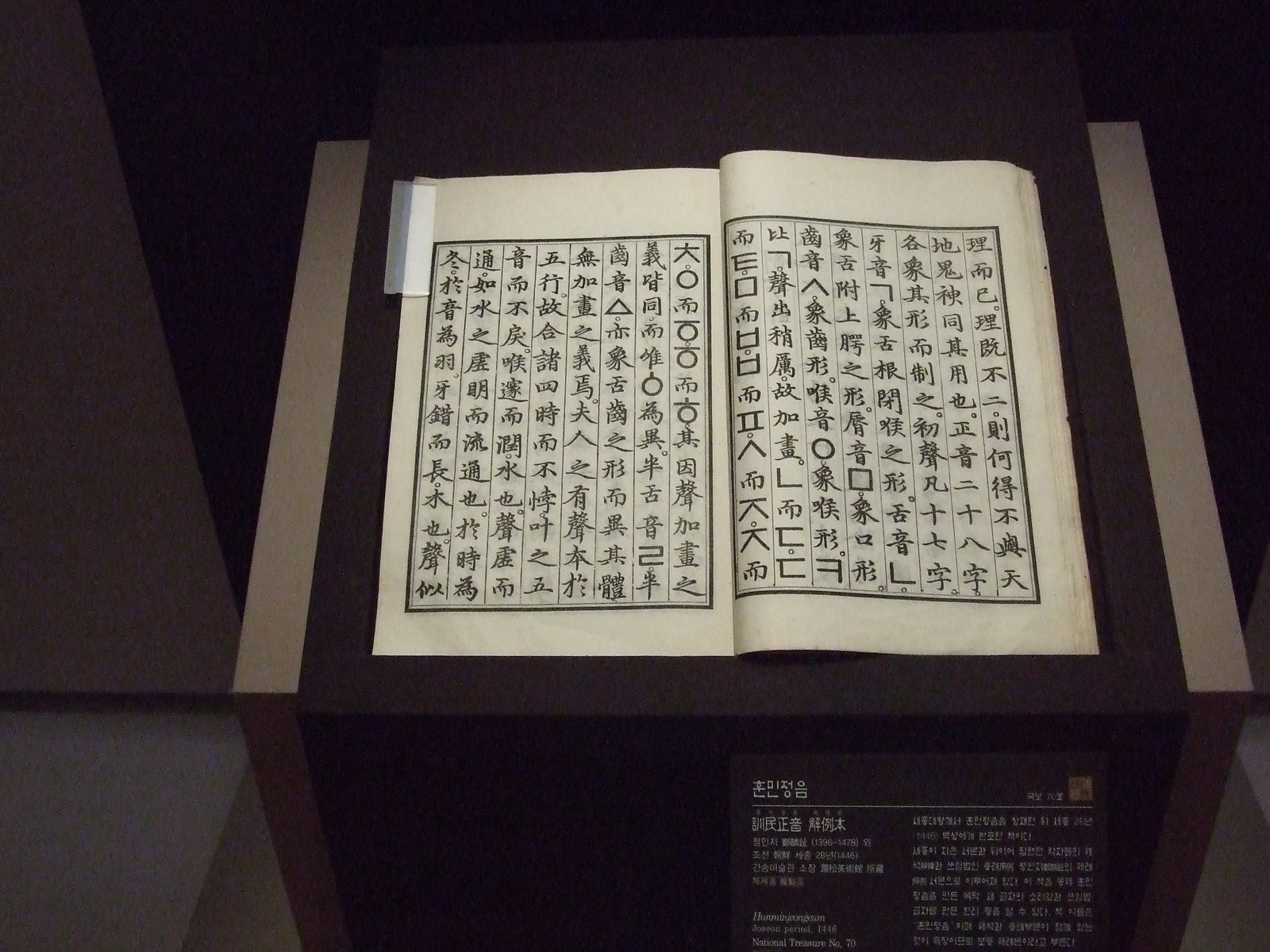
The Hunminjeongeum Haerye, the manuscript that explains how Hangul works, sat at the centre of the old No. 1 debate; campaigners argued the alphabet manual deserved the symbolic top spot more than a rebuilt gate. Removing the numbers dissolved the argument rather than settling it.
From Cultural Properties to National Heritage
The numbers were only the first renovation. The Framework Act on National Heritage took effect on 17 May 2024, the Cultural Heritage Administration became the Korea Heritage Service, and the governing term shifted from cultural properties to national heritage. The English name of the agency changed with it, which is why older English pages cite the Cultural Heritage Administration and newer ones cite the Korea Heritage Service for the same building in Daejeon.
The reframing also reorganised the categories into cultural, natural and intangible heritage. For a visitor the practical effect is vocabulary drift: a 2019 blog post, a 2023 guidebook and a 2026 on-site sign may each use a different English term for the same designation, and all three describe the same object.
What the August 2026 Treasures Show
The system is not a museum piece; it moved again in the summer of 2026. On 27 August 2026, the Korea Heritage Service designated six works as Treasures, including the iron seated Buddha from the Jingusa temple site in Imsil. The agency dates the statue to somewhere between the late ninth and the early tenth century, and parts of its hands and body are lost. The announcement relayed by the county presents it as a transitional example between Unified Silla and Goryeo iron-Buddha styles.
The site itself makes the two-tier logic easy to see. The stone lantern at the same site has been a Treasure since January 1963. A stone Vairocana Buddha from the same ruined temple was designated a Treasure in February 2026. With this designation, the three surviving designated works connected with the site are all Treasures. One quiet temple site in Imsil now holds three Treasures designated across sixty-three years, on both sides of the numbering era.
Reading a Plaque Now
- 국보 / National Treasure — promoted from the Treasure tier for rare, outstanding value.
- 보물 / Treasure — important designated tangible heritage, the larger of the two tiers.
- A number after the name — an old address, not a rank; official notation dropped it in 2021.
- A year in parentheses — the current way to tell same-name works apart.
- Cultural property vs national heritage — the same system before and after May 2024.
None of this changes what is worth seeing. It changes what the signs are able to say, and it quietly corrects a sixty-year misunderstanding about what a number ever meant. For another case of Korea writing its culture directly into law, the guide to Baduk, the game Korea wrote into law follows the same thread into a very different corner of the culture.
Editorial method: AI assisted with research and drafting. The two-tier designation rule is taken from the Cultural Heritage Act text on the National Law Information Center; the end of numbering and the same-name convention from the agency's 19 November 2021 announcement and its heritage-portal FAQ; the 2024 renaming from the Korea Heritage Service's own account; and the August 2026 designation from its 27 August release, with the stone lantern's 1963 date from the portal record. Two news reports, from Newsis and Newspim, supply the history of the No. 1 debate and the county's announcement. The photographs are credited to their Wikimedia Commons files and licences in each caption, and the cover image was generated by AI.
Sources checked
Last reviewed September 2, 2026.
- 문화유산의 보존 및 활용에 관한 법률 제23조 (designation of Treasures and National Treasures) — 법제처 국가법령정보센터 (National Law Information Center)
- 문화재 지정번호제도 개선 포함 법령 제·개정 (2021-11-19 press release abolishing designation numbers) — 문화재청 (Cultural Heritage Administration, now Korea Heritage Service)
- 국가유산 지정번호제도 개선이 무엇인가요 (portal FAQ on the number removal and same-name notation) — 국가유산청 국가유산포털 (Korea Heritage Service national heritage portal)
- National Heritage: A New Name for a Broader Scope (agency account of the 2024 reframing) — Korea Heritage Service (Korean Heritage webzine)
- 「평창 상원사 목조제석천의좌상 및 복장유물」 보물 지정 (2026-08-27 designation press release) — 국가유산청 (Korea Heritage Service)
- 임실 진구사지 석등 (portal record for the Jingusa-site stone lantern) — 국가유산청 국가유산포털 (Korea Heritage Service national heritage portal)
- '국보 1호' 숭례문? '국보' 숭례문!...문화재 지정번호 폐지 (history of the No. 1 debate) — 뉴시스 (Newsis)
- 임실 진구사지 철조여래좌상, 국가지정문화유산 '보물' 승격 (county announcement context) — 뉴스핌 (Newspim)
Schedules, prices and operating rules can change. Where a detail is time-sensitive, the linked operator remains the final authority.