
The listings that made the news on Korean secondhand apps this September were not for phones or strollers. As YTN and Dong-A Ilbo reported on 16 September, sellers were offering the used paper wrapper of a popular fruit chapssaltteok — 찹쌀떡 (chapssaltteok, a filled glutinous rice cake) — for 50,000 won, and one listing offered a paper bag that merely smelled of a trending dessert for 500 won. When a wrapper seller was messaged directly, YTN reported, the answer came back plainly: the rice cake itself was for sale.
The joke listings were doing serious work. Secondhand platforms block food whose freshness cannot be verified, and accounts that list it get suspended, so the wrapper was a disguise. YTN's report added the legal frame: trading food with an unverifiable use-by date between individuals is not just a platform violation but a Food Sanitation Act problem, with real food-poisoning risk attached.
For anyone who buys and sells on 당근 (Danggeun, "carrot" — Karrot in English), 번개장터 (Bunjang, "lightning market") or 중고나라 (Junggonara, "secondhand land"), the wrapper episode is a useful door into something bigger. Person-to-person trade is thoroughly normalized in Korea, and the rulebook underneath it — what may not be resold at all, what the app actually knows about the other party, and who untangles a deal gone wrong — is written across Korean statutes, ministry notices and operator policy pages.
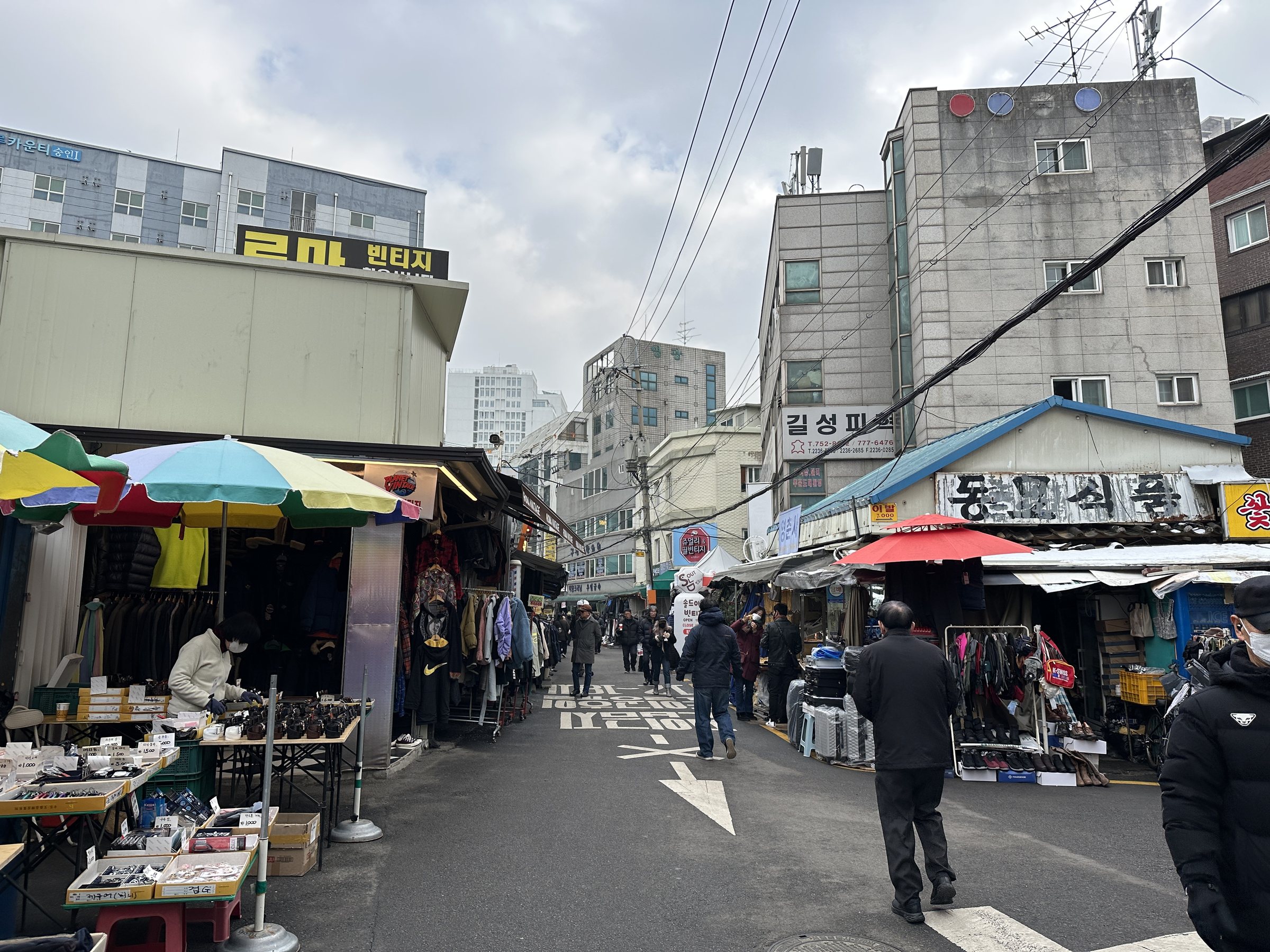
The list of things you own but cannot resell
Start with the counterintuitive part: owning something legally does not mean an individual may resell it. The Ministry of Food and Drug Safety's secondhand-trade guidance draws the food boundary first. Products past their date, products with damaged labelling, opened or spoiled products cannot be sold; food made at home without a registered food business cannot be sold; and anything imported through overseas direct purchase — 해외직구 (haeoe jikgu) — cleared through customs "for self-consumption" cannot be resold either. That last one catches people constantly, because the customs category, not the product, is what makes the resale improper.
Medicines are simpler: the ministry states that all online sales of medicines are illegal, full stop, and warns that murky distribution is exactly how dangerous products travel. Medical devices may in principle be sold only by registered device dealers — with small carve-outs the guidance names, such as electronic thermometers and automatic blood-pressure monitors.
The operator's own list extends the picture. Danggeun's current prohibited-items page bans, among other things, contact lenses and prescription glasses (online sale of both is illegal in Korea), rail tickets and other resale-restricted tickets, government-support goods such as local-currency gift certificates — 지역사랑상품권 (jiyeok sarang sangpumgwon) — and subsidized rice, standard municipal garbage bags, live animals, account credentials, and anything recalled or uncertified. Some entries are not law at all but house policy: gold items of a million won or more and foreign currency above a thousand US dollars are barred simply because the service does not want to host them. Reading the list with that split in mind — statute versus policy — is a practical way to predict what other platforms will and will not allow.
Danggeun has been frank about why the list needs constant explaining. When it reorganized the guideline in 2023, the company said many users post prohibited items without knowing person-to-person trade in them is banned under current law.

The supplement experiment that forgot to end
One category sits in permanent limbo, and it is the category behind the red-ginseng and vitamin sets that circulate every Korean holiday: health functional foods — 건강기능식품 (geongang gineung sikpum), the regulated category covering red-ginseng sticks, vitamins and probiotics. Selling them normally requires a reported sales business, which made ordinary people's holiday-gift surplus untradeable for two decades.
In May 2024 the Ministry of Food and Drug Safety opened a pilot: individuals could trade supplements on two approved platforms, Danggeun and Bunjang, under tight conditions — unopened packaging with every label item legible, no refrigerated products, at least six months of shelf life, no direct-import goods, and a cap of ten sales or 300,000 won per person per year. The pilot was to run one year.
It did not end. In May 2025 the ministry extended it to the end of the year, reported that no safety incidents had surfaced, relaxed the cumulative-amount cap and the shelf-life floor, and said it would look at admitting more platforms such as Junggonara. Then the end date quietly disappeared: as of July 2026, the ministry was quoted saying the pilot will simply continue until the National Assembly finishes work on pending legislation — including a bill that would push the other way and explicitly ban resale by unreported individuals. A "temporary" program is now in its third year with no legislated landing point, so anyone planning to sell a gift box should check the current guideline the week they list it, not the year they heard about it.
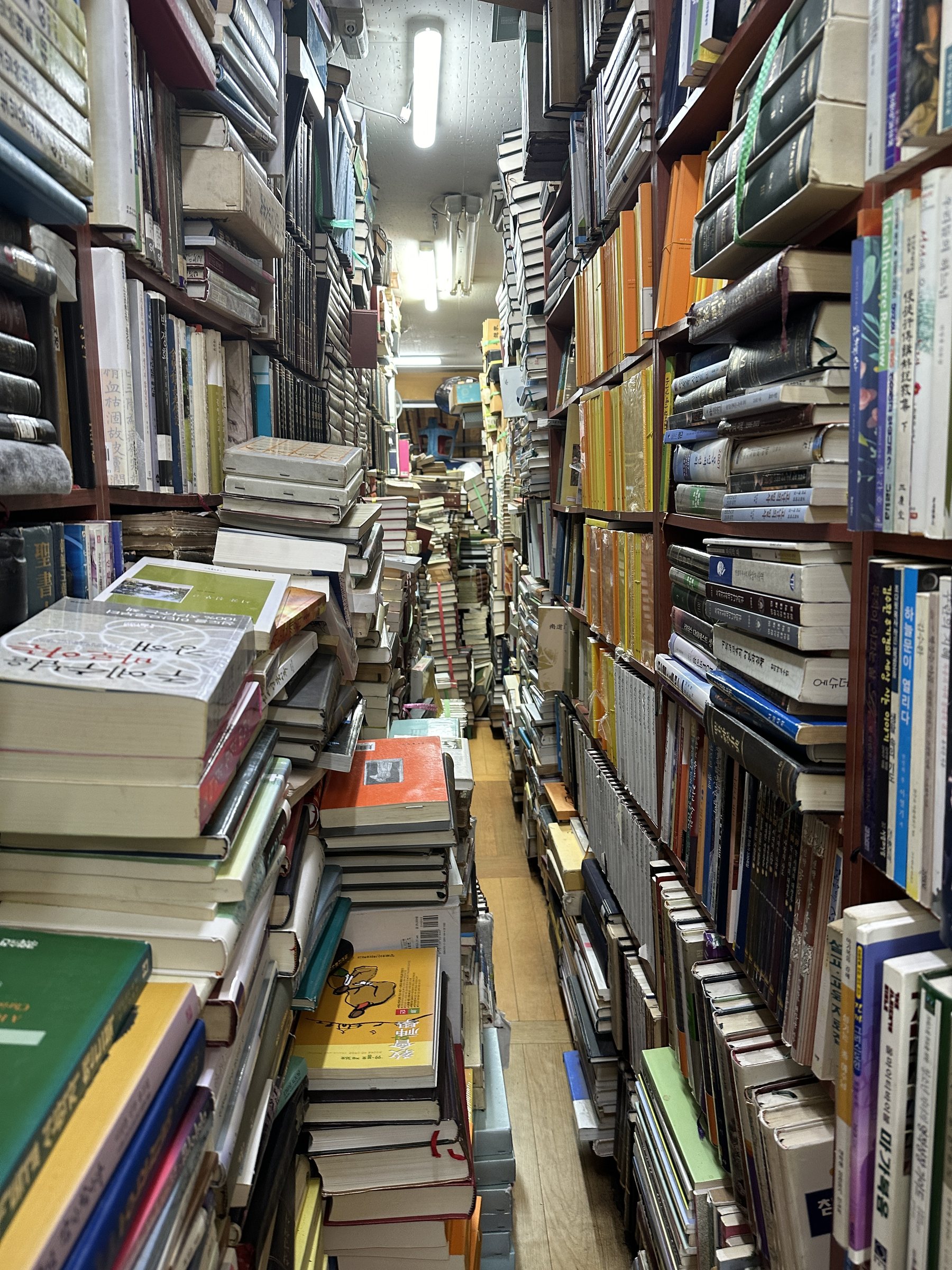
Why the buyer is not quite a consumer
The second thing newcomers misread is the protection they assume. Korea's e-commerce consumer law — the Act on Consumer Protection in Electronic Commerce — was, in the Fair Trade Commission's own words, designed around business-to-consumer sales, and it had limits reflecting the fast-grown person-to-person market. The refund and withdrawal rights that make online shopping feel safe attach to business sellers. Between two individuals, most of that scaffolding simply is not there.
That is what a December 2025 amendment finally addressed. Passed on 30 December and followed by an enforcement decree in force since 21 July 2026, the amendment wrote person-to-person platforms into the law with a distinctive trade: less data, more accountability. Platforms brokering individual deals now confirm only a seller's phone number and email — down from five items including name, birth date and address — and just the phone number where identity was already confirmed through a statutory verification agency. The regulator's stated reason is that an individual seller is an ordinary person, entitled to the same privacy as the buyer.
The accountability half: when a dispute arises, the platform is now obliged to hand transaction records and the seller's identity information to a court or dispute-mediation body on request — something it previously did not have to do. On the ground this looks like Danggeun's current policy: since 21 July 2026, listing anything for sale requires completing mobile-phone identity verification first, and in a dispute the platform may pass the seller's phone number to the buyer, though only with the seller's consent.
When a deal goes wrong, refunds are not the map
So what actually happens after a bad deal? The honest answer, drawn from the institutions themselves, is a three-layer routine.
The first layer is prevention, and it is police-grade literal. The Korean National Police Agency runs a lookup page where a buyer can enter a counterparty's phone number, bank account or email before sending money; it compares the entry against numbers reported three or more times to the cybercrime reporting system in the last three months. The page's own caveat deserves quoting verbatim: even when no report history is shown, the possibility of fraud still exists. A clean lookup is absence of evidence, nothing more. The police's posted rules of thumb end with the bluntest one — for direct trades, meet and take the goods in person.
The second layer is the platform. Danggeun's policy steers non-face-to-face deals through its own order-and-escrow flow — 안심결제 (ansim gyeolje, secure payment) — and its dispute procedure can propose settlement terms between the parties.
The third layer is the least familiar one: 전자문서·전자거래분쟁조정위원회, the Electronic Document and Electronic Transaction Dispute Mediation Committee, run by the Korea Internet and Security Agency. It publishes a dedicated application form for individual-to-individual disputes, operates a self-regulation mediation channel together with Danggeun, Bunjang and Junggonara, and answers dispute counselling through the 118 line, with internet counselling consolidated into the 1372 consumer portal. It is mediation rather than judgment — both sides concede toward a settlement — and the committee currently warns applicants that a case takes about three months. Slow, consensual and real: for a deal worth a few hundred thousand won, it is the proportionate venue.
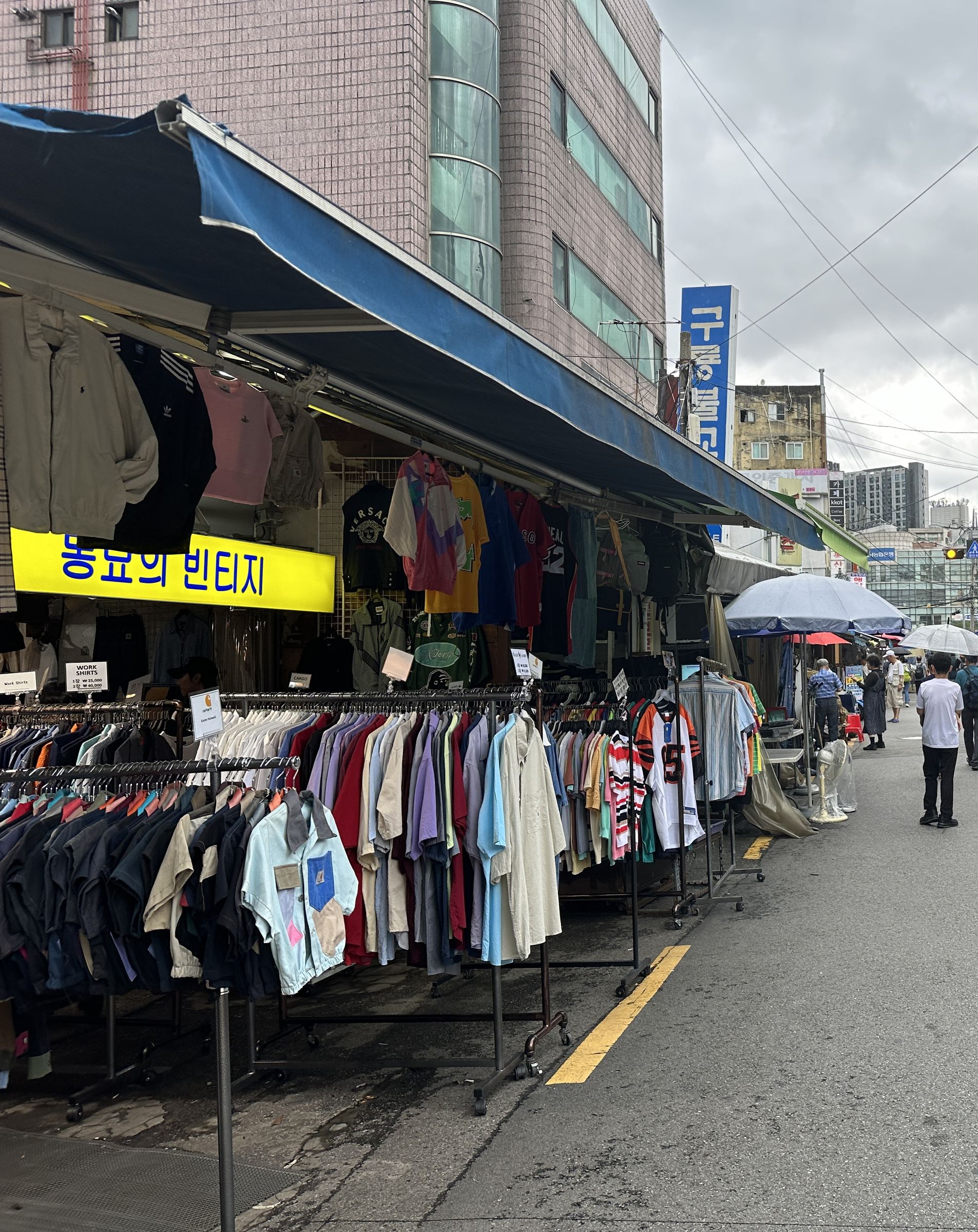
A short field routine
Condensed into practice, the system asks four things of a newcomer. Before listing, check the item against the platform's prohibited list and remember the two-track logic — some bans are national law wearing an app's interface, others are house rules. Before paying, run the seller's number or account through the police lookup and treat a clean result as neutral, not green. For anything shipped, stay inside the platform's payment flow instead of wiring money directly. And if a deal breaks and chat-level negotiation fails, the mediation committee's individual-transaction form is the designed next step, three-month queue and all.
The boundaries worth remembering: the supplements pilot is a moving target that depends on pending legislation, platform lists change without notice, and the identity rules described here took effect on 21 July 2026 — all of it is stated as of mid-September 2026, with the current operator pages as the authority of record.

Much of a newcomer's secondhand buying happens in the weeks after signing a lease, a step with its own fee machinery explained in the guide to how Korea's brokerage fees actually work.
Secondhand deals in Korea settle by instant bank transfer, which raises the sibling question: why a newcomer's own account may refuse to send more than a small amount in the first place. The guide to why new Korean bank accounts start with tiny limits explains the same fraud-prevention regime from the banking side, and what unlocks the higher tiers.
Editorial method: AI assisted the research and drafting of this guide inside an evidence-gated editorial pipeline; every material claim is bound to a named Korean statute, regulator, ministry or operator coordinate, the reference photographs are credited third-party works under open licences, and the cover image is an AI-generated editorial still life.
Sources checked
Last reviewed September 17, 2026.
- 전자상거래법 개정안 국회 본회의 통과 (2025-12-30) — 공정거래위원회 (Korea Fair Trade Commission)
- 전자상거래법 시행령·시행규칙 개정안 입법예고 (2026-03-11) — 공정거래위원회 (Korea Fair Trade Commission)
- 전자상거래 등에서의 소비자보호에 관한 법률 시행령 (대통령령 제36507호, 시행 2026-07-21) — 국가법령정보센터 (National Law Information Center)
- 식품·의약품·의료기기 온라인 중고거래 시 유의사항 (2021-02-23) — 대한민국 정책브리핑 · 식품의약품안전처
- 건강기능식품도 1년 간 개인 간 중고 거래 가능하다고요? (2024-05-28) — 대한민국 정책브리핑
- 건강기능식품 소규모 개인 간 거래 시범사업 올해 말까지 연장 (2025-05-02) — 식품의약품안전처 (Ministry of Food and Drug Safety)
- '시범'이라더니 3년 차…52억 건기식 중고거래, 제도화 과제 남아 (2026-07-02) — 푸드투데이 (Food Today)
- 당근 고객센터 — 거래 금지 물품 — 당근 (Danggeun Market)
- 당근 고객센터 — 중고거래 운영정책 — 당근 (Danggeun Market)
- 전자문서·전자거래분쟁조정위원회 (ECMC) — 한국인터넷진흥원 (KISA)
- 사이버사기 피해신고 이력조회 — 경찰청 (Korean National Police Agency)
- "포장지·냄새만 팝니다?"... 디저트 열풍에 등장한 신종 꼼수 (2026-09-16) — YTN
Schedules, prices and operating rules can change. Where a detail is time-sensitive, the linked operator remains the final authority.