
The first Korean bank account usually goes wrong on a Tuesday. The account itself opens fine: the branch visit works, the card arrives, the app logs in. Then the first real payment comes due, a deposit or a month of rent, and the transfer stops at one million won with a message that reads like a mistake. It is not a mistake. It is the default.
Korea calls it a 한도제한계좌 (hando jehan gyejwa), a limited transaction account, and newcomers routinely meet one before anyone explains it. The system has exact numbers, a documented history and a paper trail out. All three are worth knowing before the Tuesday arrives.
The Cap Is the Default, Not a Penalty
When a Korean bank opens an ordinary demand-deposit account, it asks what the account is for, and it wants evidence rather than an answer. The Financial Services Commission describes the limited account as the account type introduced in 2016 for customers who could not submit objective documents proving their purpose of financial transactions, layered on top of a purpose-confirmation practice the banks have run since 2012 to stamp out fraud accounts, the infamous 대포통장 (daepo tongjang).
Since 28 August 2024 the purpose check is no longer just practice. KB Kookmin's customer notice explains that an amendment to the special act on telecommunications-based financial fraud made confirming the purpose a statutory duty, covering new account openings, limit releases, reactivation of suspended accounts and even passbook reissues on long-dormant accounts. No convincing documents, and the account still opens; it simply opens capped.
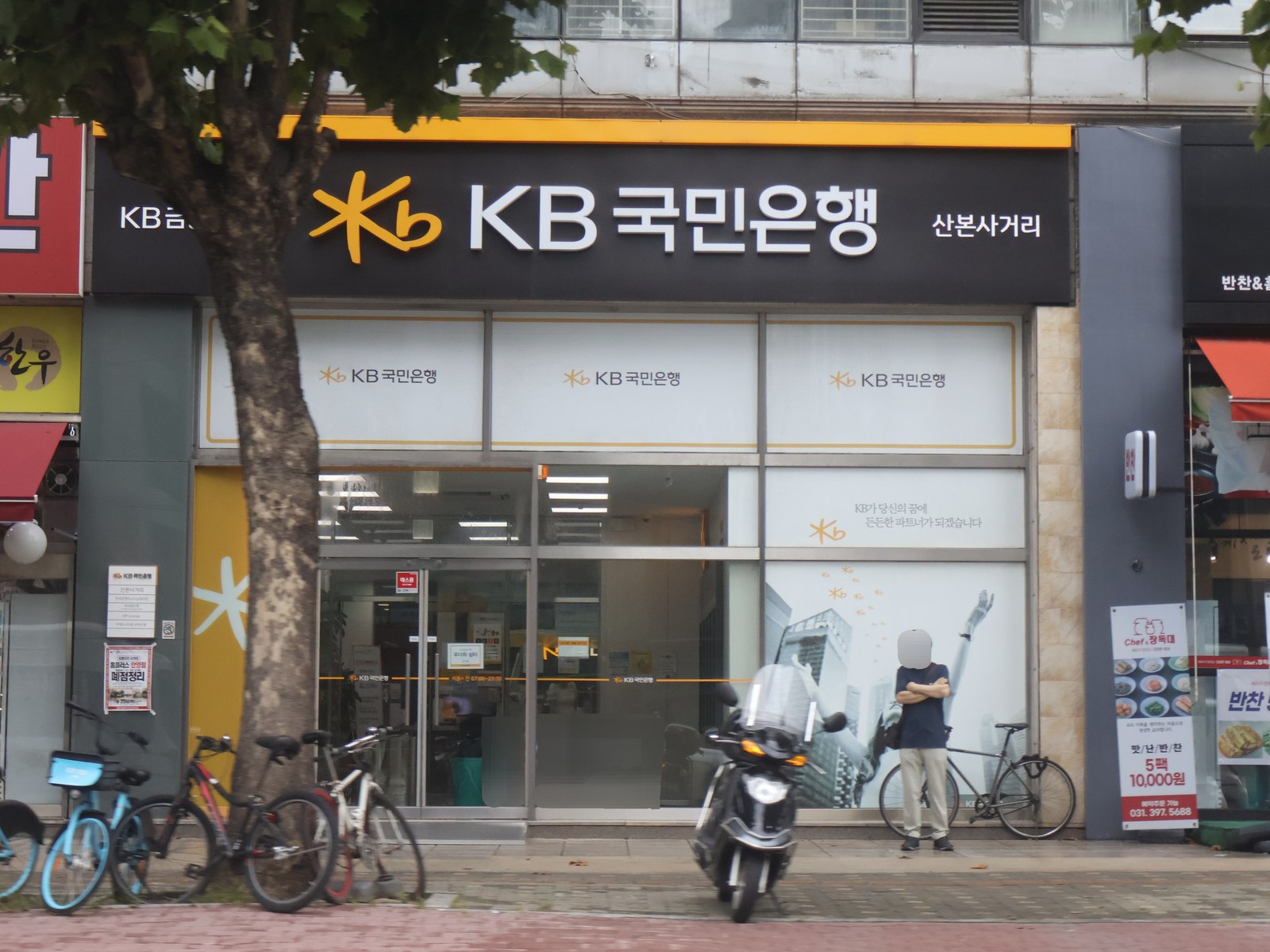
The Numbers, as of Now
The current caps date from 2 May 2024, and by the FSC's own account the daily limits had not moved between the system's 2016 introduction and that raise. A limited account now allows, per day, up to 1,000,000 won by internet or mobile banking, 1,000,000 won at ATMs, and 3,000,000 won over the counter. The raise applied automatically to existing limited accounts, with NH Nonghyup, Hana and Busan Bank following a week later, on 10 May.
Two footnotes matter. The same FSC release notes that internet-only banks kept their own limited-account caps, in the range of 1,000,000 to 2,000,000 won per day for ATM and electronic transactions depending on the bank. And KB Kookmin's guidance adds that accounts opened before 2 March 2016 sit outside the raise entirely and keep older, lower limits, such as 700,000 won at ATMs.
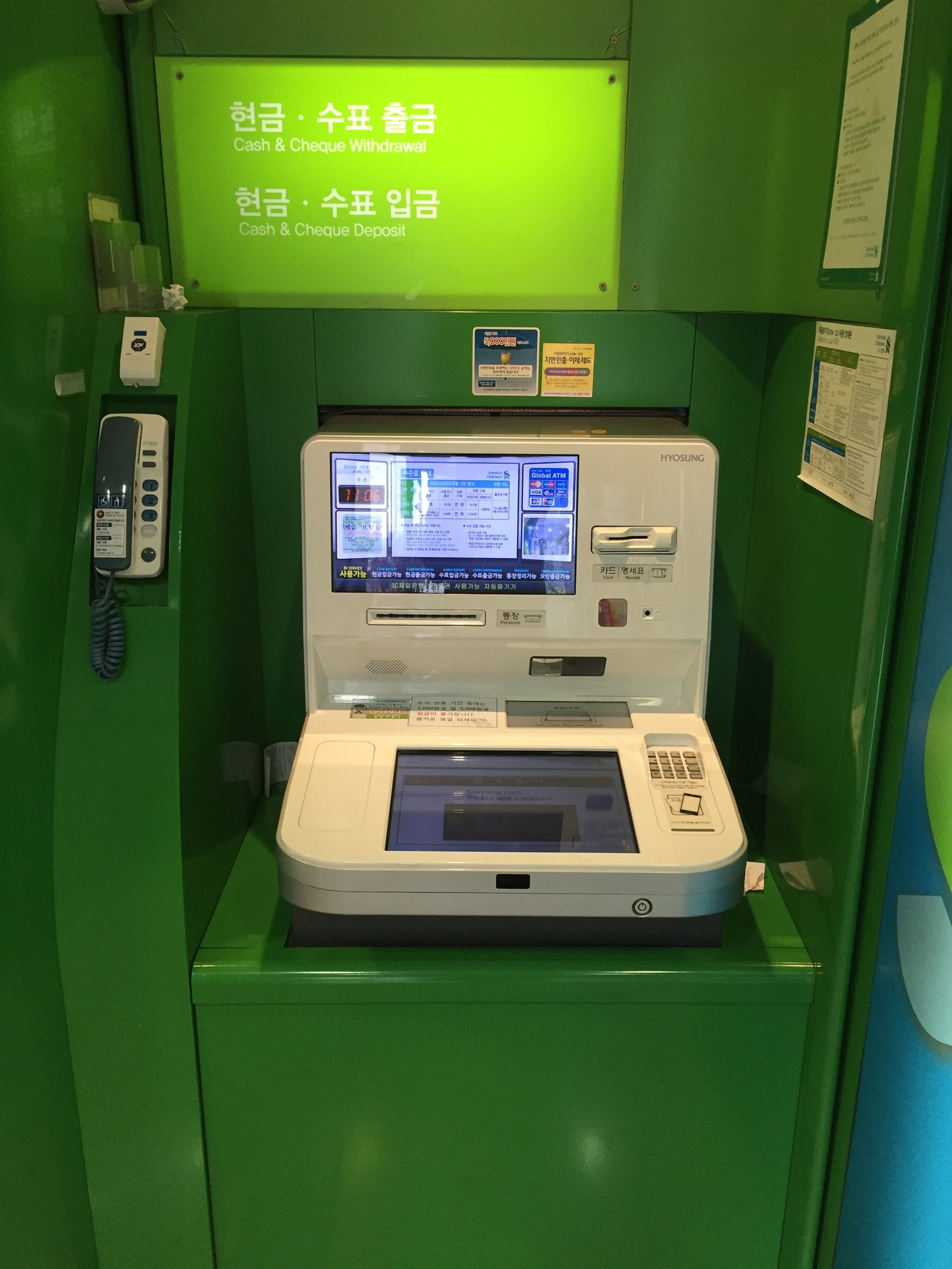
Why the Caps Exist at All
The honest answer is voice phishing. Fraud rings run on accounts opened in other people's names, and the purpose check plus the default cap make a freshly opened account much less useful to them. That is the rationale the regulator itself gives.
The less flattering part of the record is also official. In August 2023 the government's own regulatory review board wrote that the limited-account system had long been criticised as shadow regulation, restricting people's access to financial services without a legal basis, and recommended keeping it but making it reasonable. The 2024 changes, the higher caps, the standard document notices in branches and the legal footing that arrived that August, are the direct result of that review. It is a rare case of a government publicly conceding that an everyday annoyance had no statute behind it, then writing one.
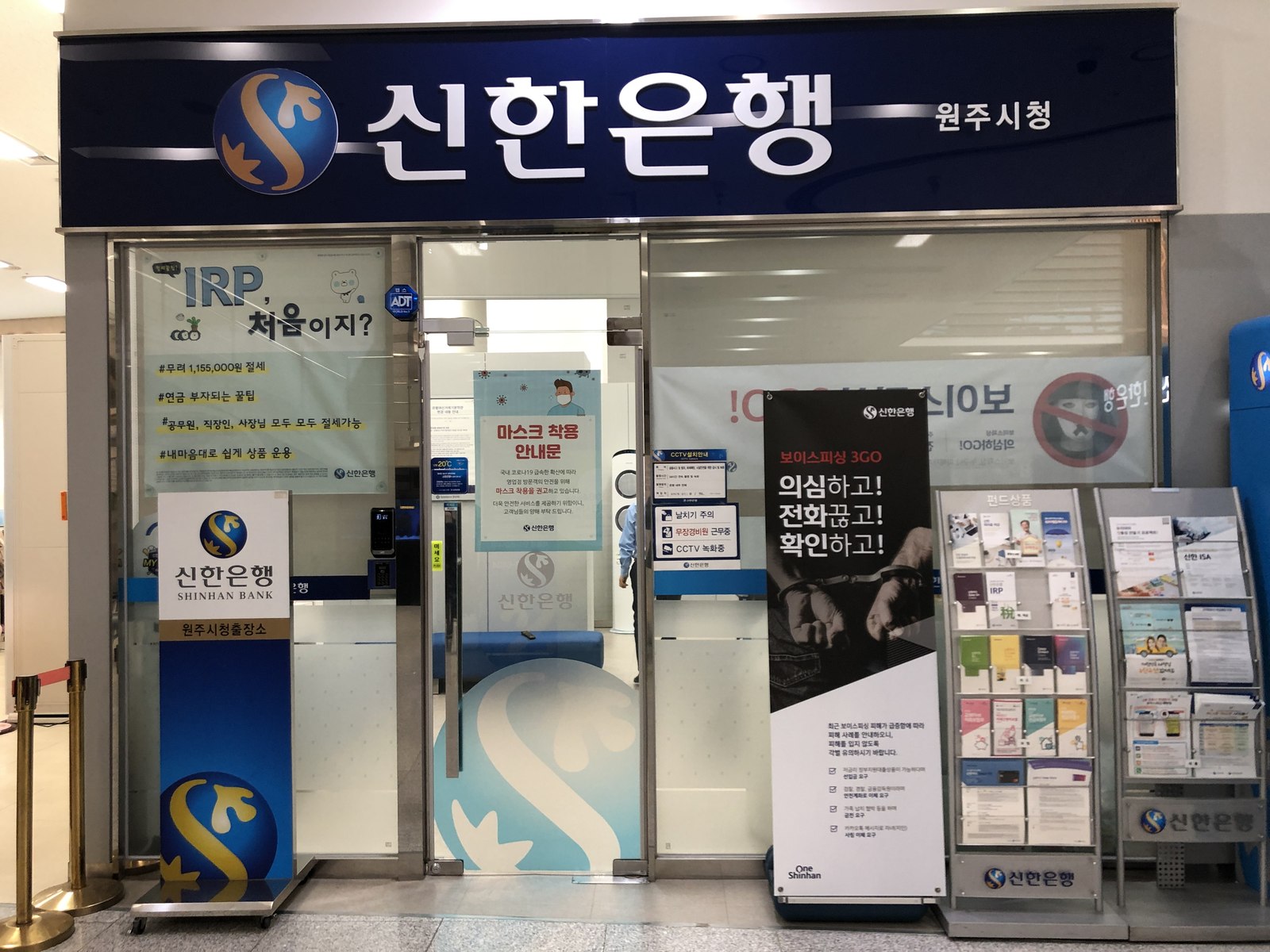
The Paper Trail Out
The exit is documentation that matches the account's purpose. For a salary account, KB Kookmin's guidance lists a certificate of employment, pay statements or a withholding-tax receipt as examples; pension accounts want pension certificates; business accounts want supply contracts, tax invoices or VAT certificates; club accounts want member lists and rules; utility accounts want utility or maintenance-fee receipts. The same page carries the sentence worth reading twice: even with documents, a branch can refuse the release at its own judgment. Some release paths now skip the branch entirely, through the bank's app, under conditions each bank sets itself.
For foreign residents the identity layer comes first. Woori Bank's English guide asks for a passport or Alien Registration Card, and specifically warns that a customer who opened an account with a passport and later received an ARC must bring both to the counter. Banks may ask for supporting paperwork, proof of employment, pay notices, utility bills, depending on the task. KB's own statutory-duty notice lists the employee health-insurance qualification certificate among its salary-purpose examples. That certificate comes from the national insurer covered in the journal's guide to what happens to Korean health insurance when you leave for a while. Woori's same guide states plainly that lending a card or account to someone else is punishable under Korean law whether or not money changed hands, which is exactly the crime the whole system is built to prevent.
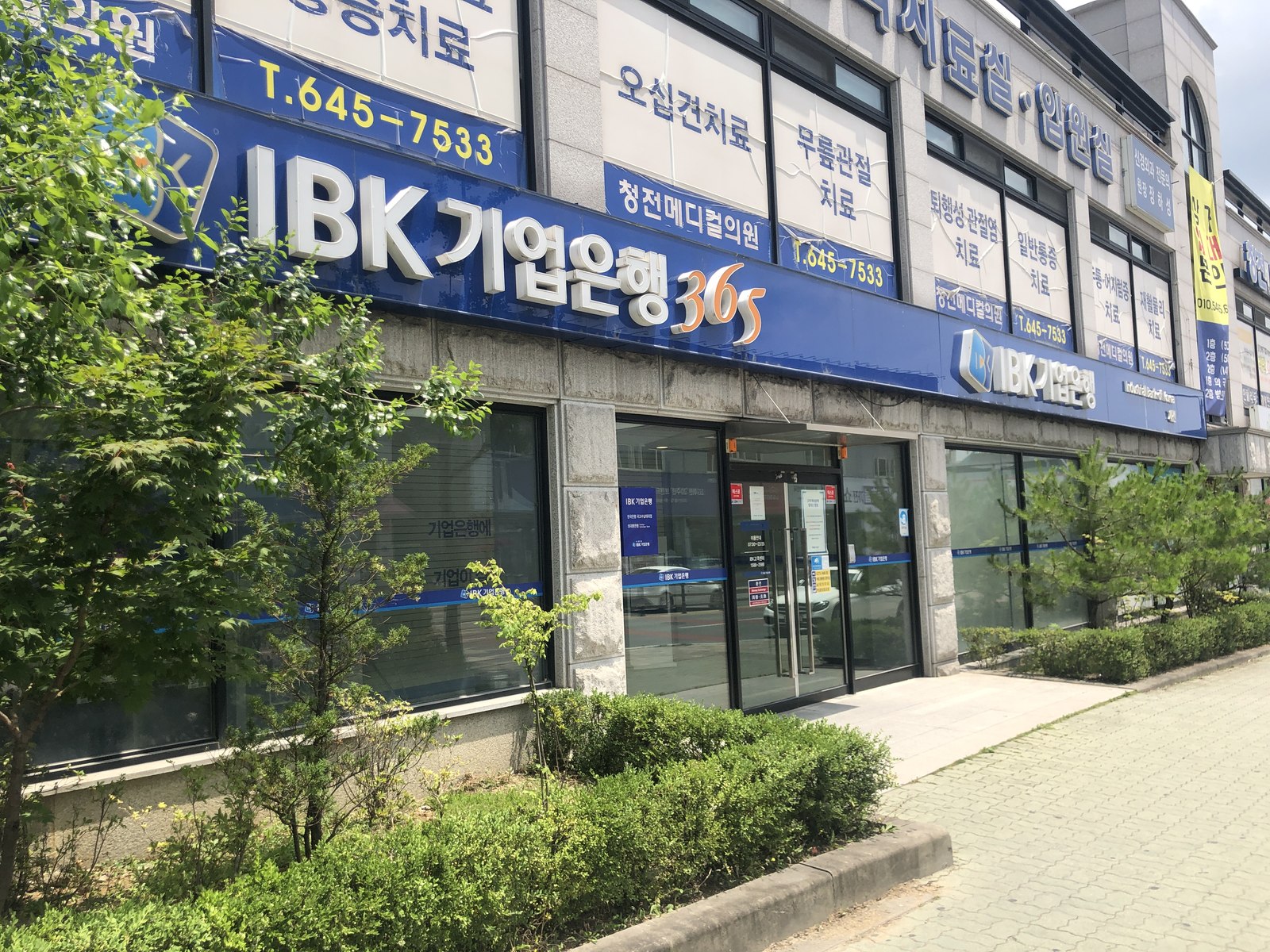
The Twenty-Business-Day Clock
There is a second brake, and it catches people who plan to open several accounts in their first month. The Korea Federation of Banks explains that financial institutions restrict opening a new demand-deposit account when the customer has opened one anywhere within the last 20 business days. Business days here exclude weekends, legal holidays, substitute holidays and Workers' Day, so the clock runs closer to a calendar month. The federation adds a detail that surprises even long-term residents: closing the earlier account does not necessarily clear the record, because deletion is at the discretion of the bank where it was opened.
The practical translation: open the account that matters most first, and put the salary or purpose documents into that one. A second bank can wait a month.
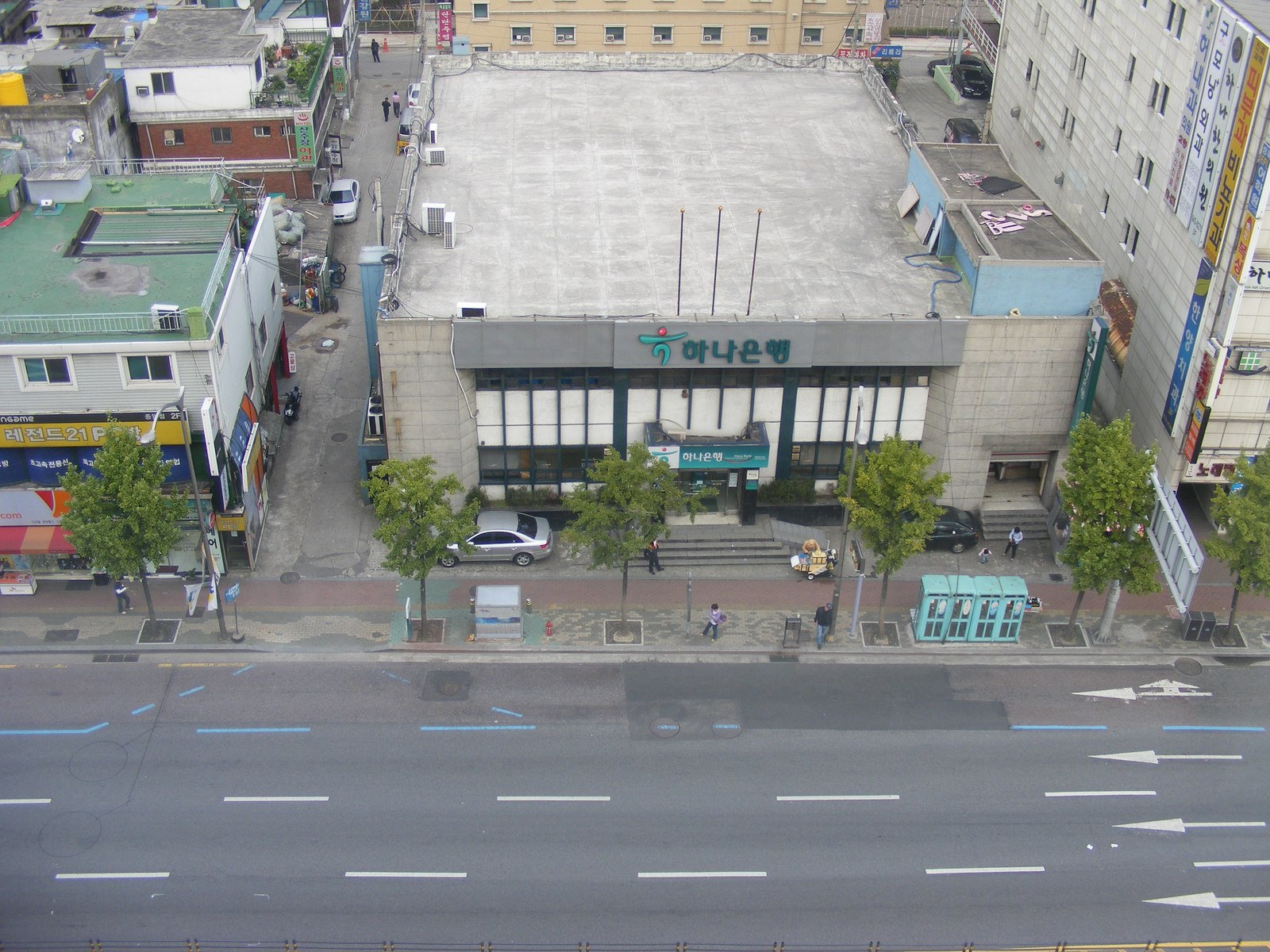
Internet-Only Banks Are a Separate Map
Korea's three internet-only banks do not behave like three versions of the same thing, especially for foreign residents. KakaoBank's FAQ says it outright: foreigners currently cannot open accounts there, and opening is limited to Korean nationals aged 14 or over with a phone and ID in their own name. Toss Bank, at the other end, presents itself as the only internet-only bank where a foreign resident can open an account entirely in the app with an Alien Registration Card, and is unusually frank about the limits: it says a foreigner's new account starts with a 300,000 won daily transfer cap, that proof documents can be photographed and submitted inside the app with review taking up to two or three business days, and that after release the ceiling becomes 50,000,000 won a day with a 10,000,000 won per-transfer cap. For K bank, no equivalent public statement about foreign customers could be found while researching this guide, so treat that one as an open question rather than a yes or a no.
None of this is a fossil. The regulator was still discussing the system in February 2026, where clearer guidance about its purpose, restrictions and release documents was raised as an improvement case. One caution for the future: in December 2025 the government said it would prepare stronger management measures for corporate and foreigner accounts as part of its anti-voice-phishing programme. That was announced direction, not an enacted rule, but it is a reason to expect the foreigner-facing details above to keep moving.
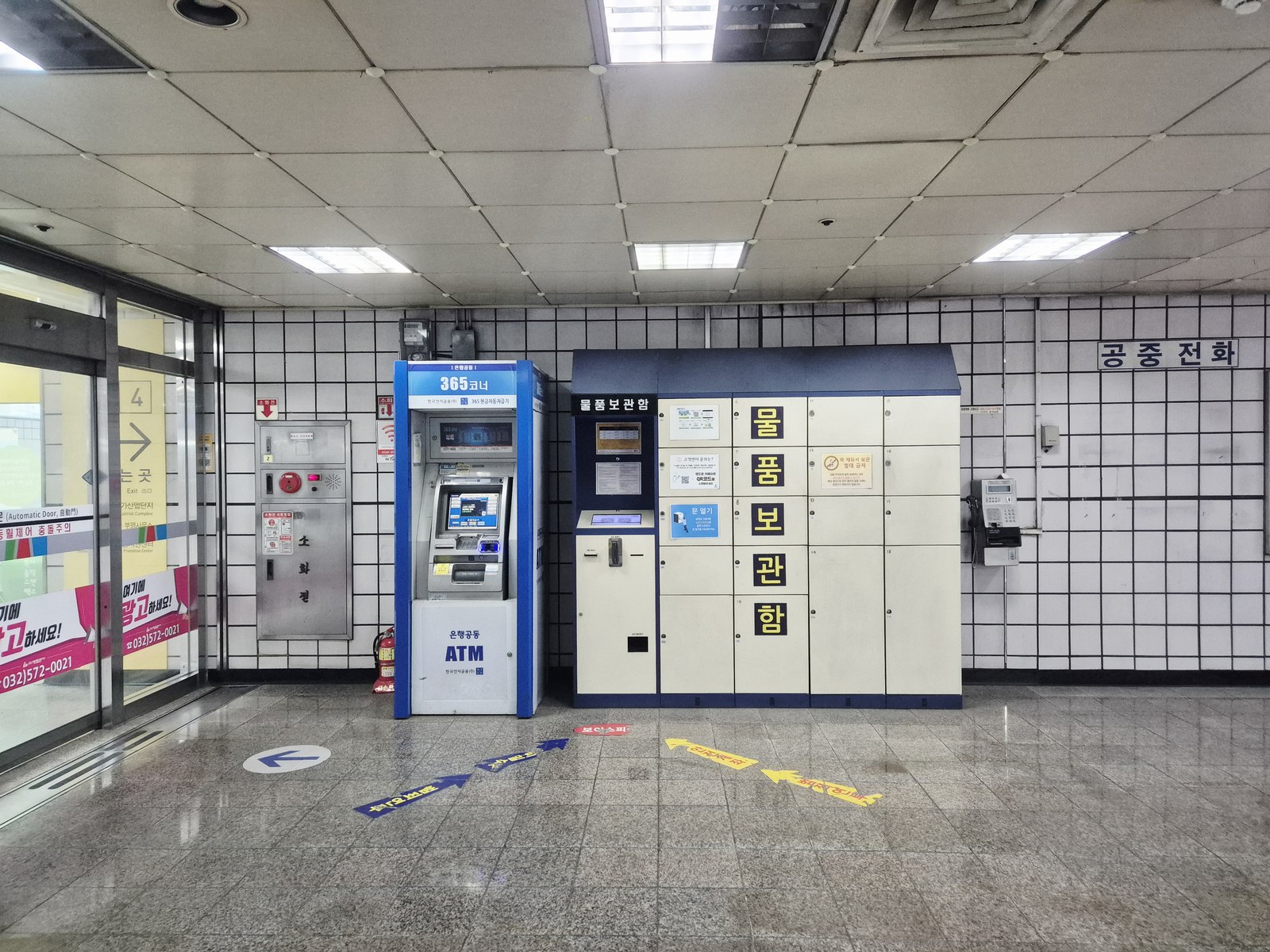
What to Bring, in One List
- Identification — passport or ARC; both if the account started on a passport alone.
- Purpose documents — employment certificate, pay statement or withholding-tax receipt for a salary account; utility or maintenance receipts for a bills account; contracts and tax papers for business.
- Patience with the default — expect 1,000,000 won per day by app or ATM and 3,000,000 won at the counter until the documents land.
- A plan for the clock — one new account per 20 business days, across all banks, and closing an account may not reset it.
- The right bank for your status — foreign residents can check Toss Bank's in-app route; KakaoBank says no; K bank gave no public answer this guide could find.
The system is annoying in a way that is at least legible: the caps are real, published numbers; the reason is fraud prevention the government has debated in public; and the exit is a folder of paperwork most people already have. The account works the day it opens. It just works small until the documents catch up.
Editorial method: Drafted with AI assistance, with each claim tied to a regulator, government or bank source. The caps, their history and the planned foreigner-account measures come from Financial Services Commission releases and the 2023 regulatory-review record; the 20-business-day practice from the Korea Federation of Banks; the release documents and foreigner routes from KB Kookmin, Woori, Toss and KakaoBank's own pages. Where no public answer could be found — K bank — the guide says so instead of filling the gap. Photographs are Wikimedia Commons files credited in their captions, and the cover image is AI-generated.
Sources checked
Last reviewed September 4, 2026.
- 한도제한계좌의 이체·ATM 거래한도가 30만원에서 100만원으로 상향됩니다 (2024-05-02 press release: definition and current limits) — 금융위원회 (Financial Services Commission)
- 규제심판부, 신규계좌 이체·출금 제한 합리적 개선 권고 (2023-08-08 regulatory review board record) — 국무조정실 (Office for Government Policy Coordination), via korea.kr
- 금융위원장, 금융소비자의 목소리를 듣다 (2026-02-04 press release confirming the system is live) — 금융위원회 (Financial Services Commission)
- 당정, 보이스피싱 근절 종합대책 추진상황 점검 (2025-12-30 press release on planned foreigner-account measures) — 금융위원회 (Financial Services Commission)
- 단기간다수계좌 개설제한 (consumer-portal guidance on the 20-business-day practice) — 전국은행연합회 (Korea Federation of Banks)
- 금융거래목적확인 의무 시행 안내 (2024-08-23 notice on the statutory purpose check) — KB국민은행 (KB Kookmin Bank)
- 한도제한계좌란? 계좌이체 한도부터 해제 방법까지 총정리 (operator guidance on limits and release documents) — KB국민은행 (KB Kookmin Bank, kbthink)
- Banking Guide for Foreign Customers (English operator guidance on identification) — 우리은행 (Woori Bank)
- 한국에서 계좌 만드는 가장 쉬운 방법 (operator guide to foreigner accounts and limit release) — 토스 (Toss / Viva Republica)
- 외국인은 계좌개설을 할 수 없나요? (operator FAQ on foreigner account opening) — 카카오뱅크 (KakaoBank)
Schedules, prices and operating rules can change. Where a detail is time-sensitive, the linked operator remains the final authority.