The first few days in Korea can feel wonderfully efficient and slightly puzzling at the same time. A parcel waits outside a door, a table fills with dishes nobody ordered, and one tap carries a traveller from bus to subway. None of these habits is magic. Each sits on top of a system worth noticing.
Why Parcels Wait at the Door
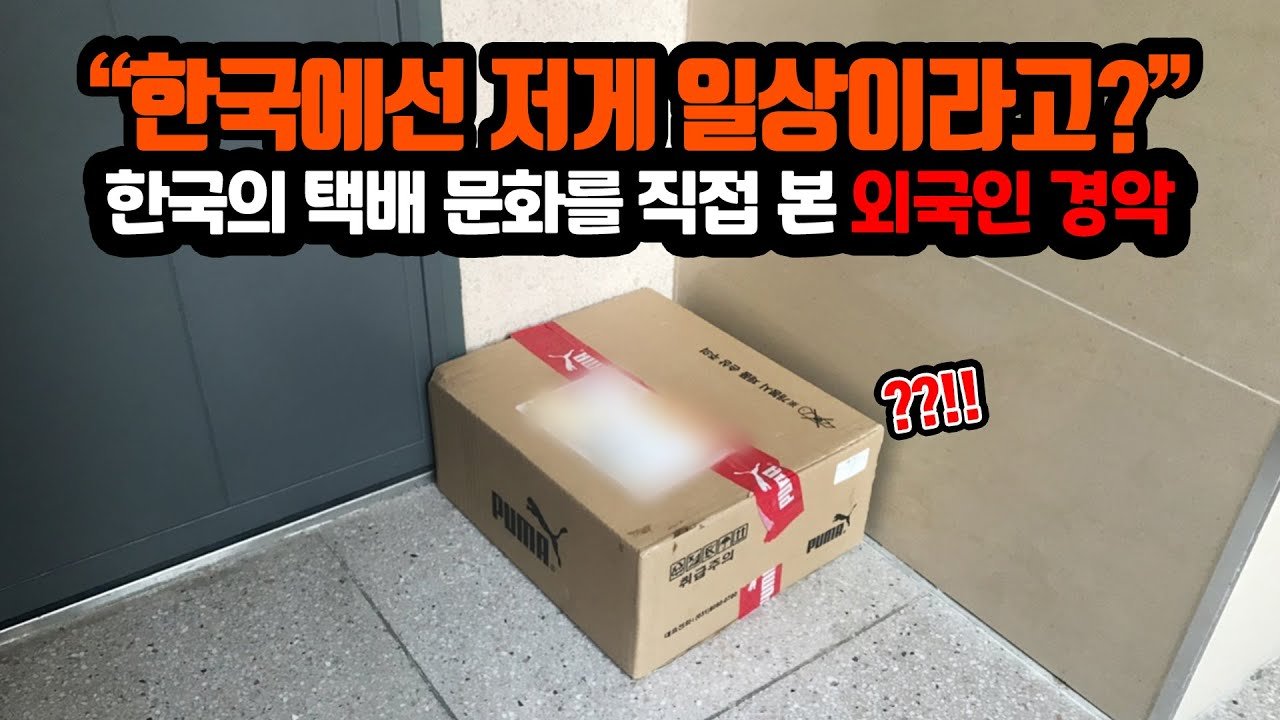
A parcel resting outside an apartment door can be a genuinely startling sight when you are used to rushing home for every delivery. In Korea, it is ordinary enough that the courier may be gone before anyone opens the door.
Korea minimizes package theft and loss through its safe delivery culture and robust security systems. This ensures a trustworthy and reliable service for people using delivery services, and those efforts have helped Korea’s delivery system gain international recognition as well.
The structural reasons are worth spelling out, because they explain why the same habit would not transfer elsewhere. Most Koreans live in 아파트 (apateu), large apartment complexes, so the parcel is not really left in public at all — it goes inside a building with a controlled entrance, to a security office that holds it, or into an unmanned locker. Cameras are close to universal in lobbies and lifts, and deliveries are tied to a registered account and a card, so a courier's route is documented end to end. Doorstep delivery here is less an act of collective trust than the outcome of a system where taking someone else's box is easy to trace.
Why the Table Fills Up Before You Ask
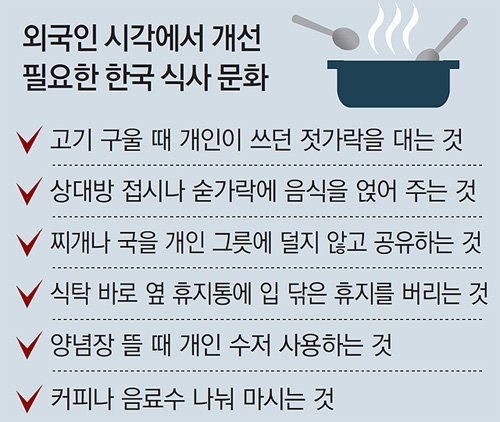
A first Korean restaurant meal can make the table look as though it ordered for itself. Water arrives, several side dishes appear, nobody expects a tip, and a refill may come before you have worked out the name of what you just ate.
The no-tipping convention is the one visitors worry about most, and the reassurance is simple: service is priced into the bill and staff are paid a wage rather than topped up by customers. Leaving money on the table is not generous in Korea so much as confusing, and staff will often try to return it. Water works the same way — it is treated as table equipment rather than a product, which is why it arrives in a jug or comes from a dispenser you help yourself from.
Two practical habits follow. You call staff over rather than waiting to be checked on, using 저기요 (jeogiyo), and it is not considered rude. And you usually pay at the counter on the way out rather than asking for the bill at the table. Both make sense once you notice that the arrangement assumes the customer will say what they need.
Why Everyday Service Feels So Fast
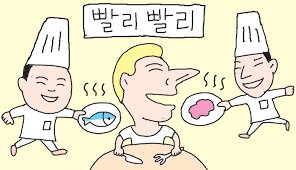
The speed has its own rhythm. Food can arrive while you are still arranging the table, a supermarket line moves faster than it looks, and a taxi app turns a vague wait into a visible countdown. Koreans often describe this pace as 빨리빨리 (ppalli-ppalli), or “hurry, hurry.”
The phrase is used self-deprecatingly by Koreans themselves, and it has a traceable origin. Korea rebuilt from a very low base within a single lifetime, and speed became a genuine point of national pride during that period rather than a stereotype applied from outside. Density does the rest: when many customers live within a short ride of the same restaurant, fast service is what the geography allows.
The useful thing to understand is that the speed is not impatience directed at you. A cashier working quickly, a server clearing a plate the moment it is empty — neither is a hint to hurry up. It is the normal pace, and nobody expects a visitor to match it.
Korea’s Delivery Culture
© jelly_ggumi
Korea’s Restaurant Culture
© jelly_ggumi
The Diverse Lifestyle Culture of Korea
© jelly_ggumi
Why Hesitation Does Not Always Mean Confusion
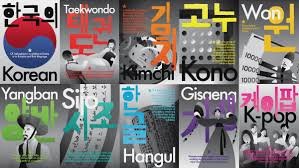
Korea is not an English-speaking country, but a hesitant reply can hide years of school English. A person may understand the question perfectly and still pause before speaking, especially when the exchange arrives unexpectedly on a platform or at a counter.
The reason is that English is a core school subject tied directly to university admission and then to hiring, so most Koreans under about forty have studied it for years. What that produces is strong reading and writing and much more hesitant speaking, because the study was aimed at examinations rather than conversation. The person you are talking to often understands you perfectly well and is simply reluctant to answer out loud.
So the misconception to correct is not that Koreans speak little English, but that hesitation means incomprehension. Writing a word down, showing a map on your phone, or using a translation app usually resolves the exchange immediately. Learning to read Hangul removes most remaining friction.
Why Banchan Belongs to the Meal
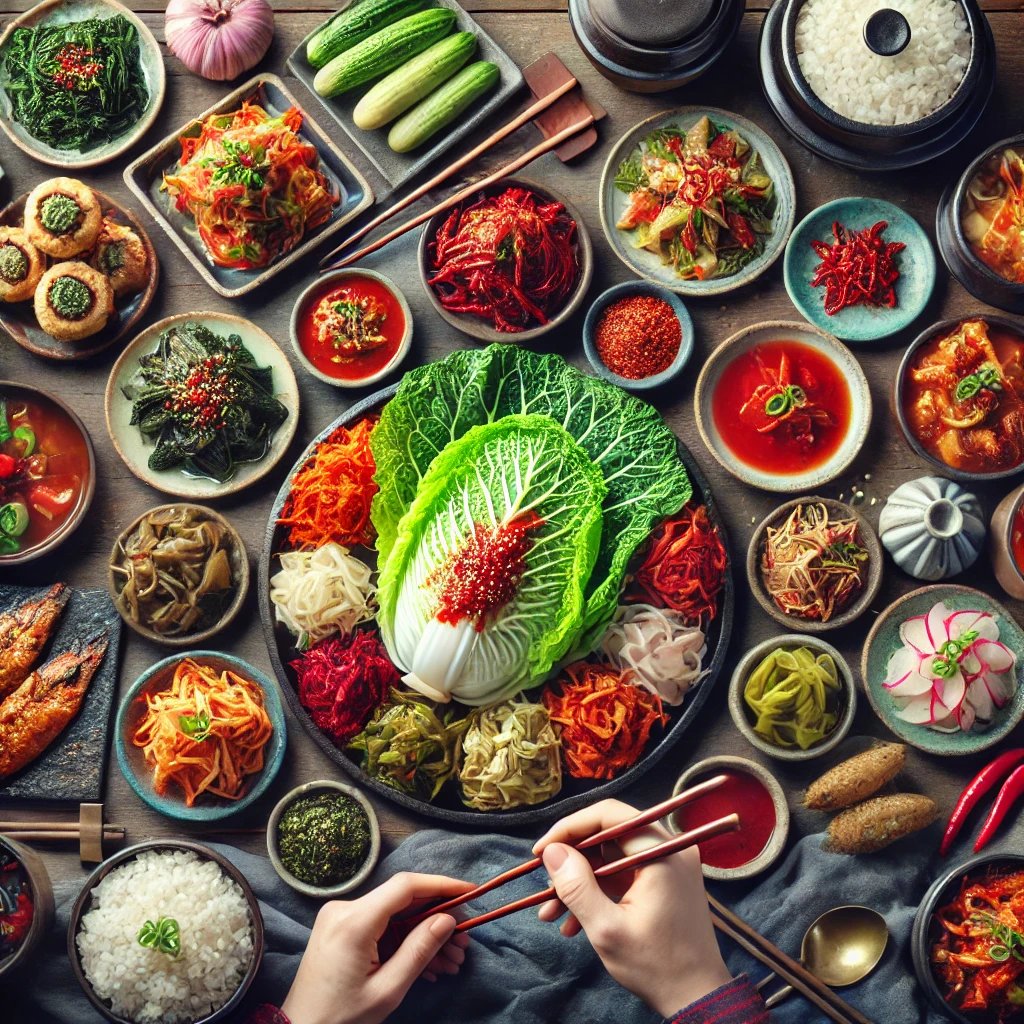
Order one main dish and the table may still arrive in colour: greens, pickles, kimchi and small seasoned vegetables arranged around the rice. This is 한상차림 (hansang charim), a table set as a whole, and it explains why the extra dishes do not behave like optional appetisers.
Unlike Western side dishes, which are typically chosen by the customer, Korean side dishes are pre-selected and served by the restaurant. That is not the restaurant deciding for you — it reflects how a Korean meal is built. Rice, soup and 반찬 (banchan) arrive together and are eaten together rather than in courses, so they are part of the structure of the meal. This is why 반찬 is best left untranslated, since "side dish" implies something the meal could do without.
The refills are free because most 반찬 are inexpensive preserved and seasoned vegetables, made in quantity and designed to be eaten with rice. Two points of etiquette follow. Ask for a refill of what you are actually eating rather than more of everything, since uneaten 반찬 is thrown away. And do not take it home. Free refills are standard at ordinary sit-down restaurants, though not universal.
Why One Card Makes a Journey Feel Simple
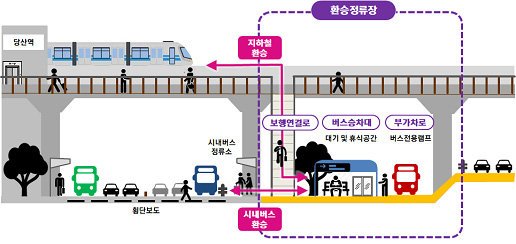
A bus, a subway and another bus can feel like three separate rides while the fare system reads them as one journey. That small piece of coherence is why public transport in Korea often feels easier after the first two taps than the network map suggests.
What makes it work is that the discount is built into the fare structure rather than sold as a separate ticket. You tap a single rechargeable card on entry and again on exit, and the system reads the whole journey as one trip, so moving between a bus and the subway costs little or nothing extra. Tapping out matters, and it is the step visitors most often skip.
That seamless integration between modes is what makes travel here feel so convenient.
A Country with Proficient English Speakers
© jelly_ggumi
The Concept of Basic Side Dishes in Korean Restaurants
© jelly_ggumi
The Public Transportation Transfer System
© jelly_ggumi
The Thread Running Through All of It
These habits look like six separate quirks and are closer to one. Korea is dense, heavily apartment-based, and runs on shared infrastructure most people are already enrolled in: one transport card, one delivery account, one payment method. Density makes fast service viable, apartment living makes doorstep delivery safe, and a single identity layer keeps fares, orders and refunds simple.
The one variable it ignores is weather, which changes daily habits here more than visitors expect. Overnight delivery is a different proposition in a humid August than a dry January, and so is waiting for a bus. The journal's note on reading Korean weather forecasts and alerts covers what to watch for.
Sources checked
Last reviewed August 29, 2026.
- Seoul Tourism Organization – The Basics of Korean Etiquette — Seoul Tourism Organization (VisitSeoul)
- Korea Tourism Organization – About Korean Food — Korea Tourism Organization (VISITKOREA)
- Seoul Metropolitan Government – Public Transportation — Seoul Metropolitan Government
Schedules, prices and operating rules can change. Where a detail is time-sensitive, the linked operator remains the final authority.